Tech News, Tech Iinfo Blog, Info Tech Blog
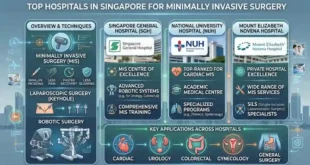
Singapore General Hospital, National University Hospital, and Mount Elizabeth Hospital are widely considered the best hospitals in singapore for robotic surgery because of their advanced Da Vinci surgical systems and specialized oncology departments. These facilities provide high-precision care for prostate, gynecological, and colorectal procedures. While the technology is consistent across these top-tier institutions, the primary difference lies in the specific expertise of the medical teams and the availability of sub-specialty surgeons. You should evaluate these centers based on your specific condition and the surgeon’s experience with your particular procedure.
Top facilities for robotic surgery
These hospitals represent the leading centers for robotic-assisted procedures in the country. Each facility maintains a high volume of surgeries, which typically correlates with better patient outcomes for complex minimally invasive operations.
Look for centers performing at least 50 cases of your specific procedure annually; surgeons at these volumes report significantly lower rates of conversion to open surgery. If your surgeon can’t confirm their personal volume for your specific diagnosis, ask for the department’s aggregate data instead.
| Hospital Name | Best For | Notable Example |
|---|---|---|
| Singapore General Hospital | Complex urology | Prostatectomies |
| National University Hospital | Pediatric surgery | Complex reconstruction |
| Mount Elizabeth Hospital | Private oncology | Gynecological procedures |
| Tan Tock Seng Hospital | General surgery | Hernia repair |
| Gleneagles Hospital | Specialized care | Colorectal surgery |
If you have a high body mass index or extensive prior abdominal scarring, prioritize facilities with dual-console systems. These setups allow for immediate assistance from a second surgeon, which is the gold standard for managing unforeseen complications during delicate robotic maneuvers.
Singapore General Hospital
Singapore General Hospital is a public institution known for its high-volume robotic surgery program, particularly in the field of urology. It suits patients who require complex, evidence-based care within a comprehensive academic medical center.
- High precision in nerve-sparing prostatectomies, which helps preserve patient function.
- Advanced integration of imaging technology for real-time guidance during complex pelvic surgeries.
- Access to a multi-disciplinary team of oncologists, radiologists, and specialized nurses.
- Large-scale research programs that ensure surgeons stay updated on the latest international protocols.
Patients consult with a specialist at the Urology Centre to determine if their anatomy is suitable for robotic intervention. If you have a body mass index over 35 or extensive scar tissue from prior abdominal surgeries, the team may shift to a hybrid or open approach to ensure safety.
If your primary goal is the fastest possible recovery, prioritize surgeons with at least 200 documented robotic cases in the last two years. If your goal is long-term cancer control, prioritize the multidisciplinary tumor board review over the specific surgical method. Always review the clinical outcomes and surgeon credentials through the hospital’s patient portal before scheduling your initial consultation.
National University Hospital
National University Hospital is a leading university hospital that specializes in robotic surgery for both adult and pediatric patients. It’s ideal for individuals who require specialized care that integrates the latest medical research with clinical practice.
- Expertise in pediatric robotic urology, which is rare and requires specialized technical training.
- Advanced colorectal surgery programs that reduce recovery time for patients with inflammatory conditions.
- Dedicated research facilities that track the long-term success rates of robotic-assisted procedures.
- Comprehensive post-operative rehabilitation services tailored to the specific needs of robotic surgery patients.
The hospital requires a formal referral from a primary care physician to access the robotic surgery department. If a patient is a candidate for surgery, the surgeon will perform a baseline assessment of the target area using MRI or CT scans to map the robot’s path. This assessment is vital because robotic surgery isn’t for everyone; patients with specific heart conditions or those who can’t tolerate long periods of anesthesia may need traditional open surgery instead.
Mount Elizabeth Hospital
Mount Elizabeth Hospital operates as a private facility, offering personalized care and shorter waiting times for robotic-assisted procedures. It’s the preferred choice for patients who prioritize convenience and wish to select their own consultant surgeon from a broad network of specialists.
- Rapid access to robotic surgical suites for gynecological and oncological treatments.
- High-end recovery suites designed for patient comfort and privacy during the post-operative period.
- Direct coordination with international insurance providers for easier billing and administrative processing.
- Flexible scheduling for pre-operative consultations, which helps reduce the stress of medical planning.
The main trade-off at this facility is the cost, which is typically higher than public hospitals because it’s a private institution. If you have comprehensive private health insurance, the cost may be manageable, but you must verify your coverage for robotic-assisted procedures specifically. For patients requiring urgent intervention, the hospital provides a dedicated intake team to expedite the transition from diagnosis to the operating room.
Tan Tock Seng Hospital
Tan Tock Seng Hospital focuses on general and minimally invasive robotic surgery, specifically for abdominal procedures like hernia repairs. It’s well-suited for patients seeking high-quality, efficient care within the public healthcare framework.
Efficient surgical workflows minimize time spent in the operating room. Specialized focus on abdominal wall reconstruction using the robotic platform ensures complex cases are handled with precision. Supportive post-operative care teams guide patients through early mobilization, typically aiming for discharge within 24 to 48 hours for standard repairs.
Mistakes often occur when patients assume all robotic surgeries are identical. In reality, the success of the surgery depends more on the surgeon’s mastery of the console than the brand of the robot. If you choose this hospital, you must ensure your specific surgeon is accredited for the robotic platform, as not every general surgeon has completed the required hours of robotic training.
Ask your consultant for their specific case volume for robotic hernia repairs over the last twelve months. If the number is fewer than twenty, seek a surgeon with a higher frequency of practice. High-volume surgeons consistently report lower complication rates regarding mesh infection and post-operative nerve pain.
Other options for robotic care
- Gleneagles Hospital: This facility excels in colorectal and digestive surgeries using the da Vinci platform. It serves patients who prioritize privacy and personalized care over high-volume clinical settings. If you have complex insurance coverage or require a private suite for recovery, this boutique environment minimizes the stress of a typical hospital stay.
- Khoo Teck Puat Hospital: This public institution provides advanced robotic services for urological and gynecological procedures. It’s the premier choice for residents in the north of Singapore seeking state-of-the-art technology within the public healthcare framework. If you’re eligible for government subsidies, this option significantly lowers out-of-pocket expenses compared to private centers. Always confirm your eligibility for these subsidies during your initial consultation to avoid unexpected billing issues.
Choosing the best hospitals for robotic surgery in Singapore
Selecting the right hospital depends on your insurance coverage, the complexity of your diagnosis, and the surgeon you prefer. If you require a public hospital, you’ll typically need a referral from a polyclinic or a primary care doctor to manage costs through government subsidies. If you choose a private hospital, you can often book a consultation directly, provided you have the financial means or insurance to cover the higher fees.
If you have a complex condition, prioritize a hospital that performs your specific procedure at least 50 times per year, as this volume indicates consistent team expertise. Surgeons who operate frequently in a specific facility develop better muscle memory with that hospital’s specific equipment and nursing staff.
If you have a simpler condition, you may prioritize the location or the reputation of the individual surgeon over the hospital brand. These options can generally be combined; you may see a surgeon at a private clinic and have your surgery performed at a major public hospital, depending on their practice arrangements.
Many patients mistakenly assume that the most expensive private facility offers the best surgical outcomes for routine procedures. This error often leads to unnecessary out-of-pocket costs that provide no measurable clinical benefit. If your procedure is low-risk, choose the facility where your surgeon is most comfortable, even if it’s a smaller, less prestigious center.
Frequently asked questions
How long is the recovery time for robotic surgery?
Recovery typically takes 2 to 4 weeks for most abdominal procedures, though this depends on your starting health and the complexity of the operation. You should expect to be mobile within 24 hours of the surgery, but avoid heavy lifting for at least 4 weeks. Always follow the specific discharge instructions provided by your surgical team, as they know your individual healing progress.
Is robotic surgery safer than traditional surgery?
Robotic surgery is generally considered safe and comparable to traditional laparoscopic surgery, with the added benefit of higher precision and smaller incisions. It reduces blood loss and hospital stays for many patients. However, the safety of the procedure depends heavily on the surgeon’s experience, so you should always ask your doctor about their personal complication rates for your specific surgery.
What happens if the robot fails during surgery?
The surgical team is trained to switch to manual laparoscopic or open surgery instantly if the robotic system encounters a technical issue. Every robotic suite is equipped with backup systems and protocols to ensure the surgeon can complete the procedure safely. Your surgeon will discuss these contingency plans during your pre-operative consultation, which is the standard time to ask about their specific emergency procedures.
Does insurance cover robotic surgery?
Insurance coverage for robotic surgery varies by plan, so you must check your policy document for “robotic-assisted” or “minimally invasive” surgical benefits. Private hospitals often have teams to assist with pre-authorization, while public hospitals provide financial counseling to explain what portions of the surgery are covered by government subsidies. Never assume full coverage without verifying the specific procedure codes with your insurer.
How do I know if I am a candidate?
A candidate is typically determined by a surgeon after an assessment of your medical history, current anatomy, and the nature of your condition. Not everyone is suitable for robotic surgery, especially those with severe heart issues or extensive previous abdominal surgeries. Your surgeon will perform physical exams and review your imaging scans to decide if the robotic platform is the most effective approach for your case.
Is robotic surgery more expensive?
Robotic surgery is often more expensive than traditional open surgery because of the high cost of the robotic equipment and specialized disposable instruments. The final bill depends on the hospital’s pricing structure and your insurance coverage. Always ask for a detailed cost breakdown during your pre-operative consultation to understand the difference between the surgeon’s fee, the hospital facility fee, and the equipment charges.
Conclusion
Start by requesting a consultation with a surgeon who specializes in your condition to discuss whether robotic surgery is appropriate for you. You’ll know you have found the right path when your surgeon provides a clear, data-backed explanation of why the robotic approach benefits your specific health profile. If you experience unexpected pain, fever, or signs of infection after a consultation or surgery, you must stop waiting and contact your emergency care provider immediately.