Tech News, Tech Iinfo Blog, Info Tech Blog
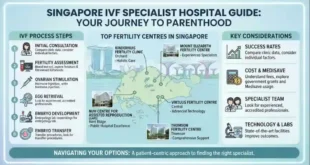
You can find a reliable fertility clinic hospital by reviewing the list of licensed centers published by the Ministry of Health. Many couples in Singapore use a singapore fertility clinic hospital guide to compare success rates, costs, and available reproductive technologies. This resource helps you understand the options for assisted reproductive technology (ART) and identifies the specific requirements for residents and international patients seeking care in the city.
Singapore fertility clinic services explained
A fertility clinic is a specialized medical facility that provides diagnostics and treatments for couples having trouble conceiving. These clinics offer services like intrauterine insemination (IUI), in-vitro fertilization (IVF), and egg freezing. They’re designed for individuals or couples facing medical challenges, age-related fertility decline, or those seeking family planning options.
A common misconception is that all clinics offer the same success rates for every patient. In reality, your specific health profile, age, and the underlying cause of infertility significantly influence your chances of a successful pregnancy.
These facilities act as hubs for specialized diagnostic testing, such as hormonal panels and semen analysis, which identify the root causes of conception hurdles. By pinpointing these factors early, specialists can tailor a treatment path that avoids unnecessary procedures.
The Ministry of Health oversees these facilities to ensure they follow strict ethical and safety standards. If you’re a resident, you should check your eligibility for government subsidies or co-funding schemes for IVF treatments before starting. These financial supports often depend on your specific medical history and residency status.
Choosing Your Reproductive Care Center
When you search for a center, you must focus on the clinic’s clinical team and their experience with your specific diagnosis. You should first verify if the facility is licensed by the Ministry of Health to perform assisted reproduction services.
- List your primary fertility concerns and medical history to share during your initial consultation.
- Visit the websites of major public hospitals and private centers to compare their available technology and doctor credentials.
- Book an initial consultation to assess the communication style and comfort level with the specialist.
- Request a detailed breakdown of costs, as procedures often involve separate fees for consultations, medications, and laboratory work.
- Check if the clinic offers comprehensive support services, such as counseling or genetic testing, which may be vital for your journey.
- If you require specialized care, ensure the clinic has an on-site embryology laboratory that meets international safety standards.
The single most important decision is choosing a specialist who has direct experience with your specific fertility challenges. A clinic with high general success rates may not be the best choice if they don’t specialize in your particular condition.
Key Figures for Fertility Treatments
The following table outlines standard aspects of fertility care in Singapore. Figures vary based on the specific hospital, the complexity of your treatment plan, and your residency status.
| Situation | What to consider | Typical factor | What to watch for |
|---|---|---|---|
| Initial consult | Specialist fee | $150–$300 | Excludes tests |
| IVF cycle | Total cost | $10,000–$15,000 | Excludes meds |
| Age range | Success probability | 25–40 years | Declines after 35 |
| Medication | Pharmacy supply | Varies by dose | Storage needs |
| Subsidies | Resident status | Up to 75% | Eligibility criteria |
When evaluating these figures, remember that clinical outcomes often depend on the specific laboratory protocols used at your chosen facility. High-volume centers may offer more advanced embryo monitoring technology, which can influence your total cycle success rate.
Always request a comprehensive breakdown of out-of-pocket expenses before beginning any treatment cycle. Clinics frequently bill for anesthesia, laboratory embryology services, and specialized genetic testing as separate line items.
If you’re a permanent resident, verify your current subsidy tier through the government portal before your first appointment. Eligibility for these financial supports is tied to your specific residency status and the number of prior treatment cycles you have already completed within the public health system.
Excellence in Fertility Care
Experienced patients often focus on the quality of the laboratory rather than just the marketing of the clinic. The embryology lab is where fertilization occurs, and its technology directly impacts the viability of the embryos. High-performing clinics maintain strict environmental controls and use advanced imaging to monitor embryo development.
Preparation is the next step for success. Many patients find that optimizing their general health—such as adjusting their diet, exercise, and sleep patterns—three months before starting treatment improves outcomes. You should avoid smoking and excessive alcohol consumption, as these habits can negatively affect egg and sperm quality.
During the process, follow your doctor’s schedule exactly. Fertility treatments rely on precise timing for hormone injections and egg retrieval. Missing a dose or delaying a visit can ruin the entire cycle. If you feel overwhelmed, ask the clinic for their patient support resources or counseling options to manage the emotional stress.
Common Issues and Solutions
| What you notice | What it means | What to do first |
|---|---|---|
| Unexpected side effects | Hormone reaction | Call clinic urgent line |
| Treatment delay | Cycle synchronization | Consult your specialist |
| High medication costs | Pharmacy pricing | Ask for generic options |
| Difficulty scheduling | Clinic demand | Book weeks ahead |
Most patients encounter these hurdles during the initial phases of their fertility journey. When you experience unexpected side effects, don’t wait for your next appointment. Immediate communication ensures your specialist can adjust dosages before your cycle is compromised.
Regarding medication costs, always inquire about local pharmacy partnerships. Many clinics in Singapore maintain preferred pricing agreements that significantly lower out-of-pocket expenses for standard fertility drugs. Don’t assume the first price quoted is final.
Finally, scheduling conflicts often arise because clinics prioritize biological timing over administrative convenience. If you struggle to secure a slot, request a standing appointment for the duration of your cycle. This proactive approach prevents the common frustration of missed windows during critical treatment phases.
Regulatory Standards and Local Rules
All fertility services must comply with the guidelines set by the Ministry of Health. These regulations cover the storage of frozen eggs and embryos, the maximum age for treatment, and the requirements for pre-implantation genetic screening. You’re legally required to provide informed consent for every procedure, ensuring you understand the risks and potential outcomes.
Before you begin, you must verify your eligibility regarding age limits. The Ministry of Health generally restricts assisted reproduction treatments to women under the age of 45. If you’re an international patient, you must also confirm your visa status and ensure your home country allows the export of genetic material if you plan to move your frozen embryos later. Always keep copies of your medical records from every cycle, as these are essential if you decide to switch clinics.
Maintaining Your Fertility Results
Once you have completed a treatment cycle, the long-term maintenance involves the storage of remaining embryos. These are kept in cryopreservation tanks at the clinic. You must pay an annual storage fee to keep these samples viable. If you don’t plan to use them, you must provide written instructions to the clinic regarding their disposal or donation.
Regular check-ups are necessary if you have frozen material stored. Most clinics will contact you annually to renew your storage agreement. Ensure you update your contact information with the facility every time you move or change your phone number. If you decide to use your stored embryos, contact your clinic at least two months before you intend to start the transfer process to allow for necessary health screenings.
When to Seek Alternative Care
If your current clinic can’t offer the specialized genetic testing or the specific donor programs you require, you should look for a center that focuses on those areas. Some patients find that public hospitals are better for standard IVF, while private clinics offer more flexibility for complex cases or specialized donor requirements.
If you feel your doctor isn’t addressing your concerns, seek a second opinion from another licensed specialist. Never continue with a treatment plan if you don’t understand the steps or the associated risks.
When your current facility lacks the equipment for advanced embryo screening, moving to a specialized center becomes essential. These centers often maintain deeper relationships with international donor banks, which can significantly shorten your wait time. If you experience persistent communication gaps, prioritize a clinic where the lead physician personally oversees your progress. Your comfort with the medical team is as vital as the clinical outcomes themselves.
Frequently asked questions
How much does IVF cost in Singapore?
IVF treatment is generally considered an affordable option per cycle compared to other fertility procedures, excluding medications. This figure assumes a standard treatment plan in a private clinic. Costs vary significantly based on your residency status, the hospital type, and whether you qualify for government co-funding schemes through the Ministry of Health.
Is IVF safe for older women?
Yes, it’s safe, but success rates decline significantly after age 35. Doctors perform thorough health screenings to ensure your body can handle the hormonal stimulation required for the process. You must discuss your specific health risks with your specialist to understand how your age affects your personal treatment plan.
How long does the IVF process take?
A full IVF cycle typically takes about 4 to 6 weeks from the start of hormone stimulation to the embryo transfer. This assumes a standard response to medication. The exact duration depends on how your body reacts to the hormones and the timing of your menstrual cycle.
Can I choose the gender of the baby?
No, gender selection for non-medical reasons isn’t permitted in Singapore. The Ministry of Health restricts the use of pre-implantation genetic screening to cases where there’s a high risk of transmitting serious genetic diseases. You should consult with your fertility specialist regarding your specific medical history.
What happens if I miss a medication dose?
You must contact your clinic immediately if you miss a dose, as timing is critical for hormone regulation. Don’t wait until your next scheduled appointment. The clinic will advise you on whether to take the dose late or adjust your treatment plan based on your current cycle stage.
Is fertility treatment covered by insurance?
No, most standard health insurance plans in Singapore don’t cover fertility treatments like IVF. You should check your specific policy details or speak with your HR department if you have private company benefits. Some patients use their MediSave account to pay for eligible ART procedures, subject to official withdrawal limits.
Conclusion
Choosing the right fertility clinic requires careful research into both the regulatory status of the facility and the specific expertise of the medical team. By verifying your eligibility for subsidies and understanding the costs involved, you can better prepare for your reproductive health journey. Always prioritize clear communication with your chosen specialist and keep accurate records of your medical history to ensure the best possible care throughout your treatment.