Tech News, Tech Iinfo Blog, Info Tech Blog
This guide explains the singapore hospital out of pocket maximum by detailing how your insurance co-payment structure works. Because there is no single government-mandated cap for private treatments, most plans use deductibles and co-insurance. You will learn how to calculate these costs, understand MediShield Life limits, and manage your expenses during a hospital stay.
How Singapore Hospital Out-of-Pocket Maximums Work
When you receive medical care in Singapore, your final bill is split between what the government covers and what you pay yourself. It’s helpful to view your bill as a three-part structure: the deductible, the co-insurance, and the pro-ration factor. The deductible is a fixed annual amount you must pay first before your insurance begins to cover any part of the bill. After that, you pay a percentage of the remaining cost, known as co-insurance.
A common misconception is that all hospital bills are capped by the government. In reality, while the national MediShield Life scheme provides basic protection, it’s designed to cover large hospital bills in public hospitals for B2 and C-class wards. If you choose to stay in private hospitals or higher-class wards, your out-of-pocket costs will be significantly higher because your insurance coverage might not reach the full bill amount.
The Ministry of Health provides clear guidance on how these basic schemes work. Always check your specific policy documents to see how your private insurer handles these calculations, as they often differ from the basic national standards.
Steps to Calculate Your Expected Costs
To estimate your potential expenses, follow these steps to organize your financial planning before admission.
- Check your ward class: Choose the ward type you intend to use. Costs in A-class or private hospitals aren’t subsidized by the government, meaning you pay the full price unless you have a high-tier private Integrated Shield Plan.
- Identify your deductible: Look at your insurance policy for the annual deductible amount. This is typically between $1,500 and $3,500 for most private plans.
- Calculate the co-insurance: After paying the deductible, you usually pay 10% of the remaining bill. If your plan has a “co-payment rider,” this might be reduced to 5% or even 0% in some specific cases.
- Verify the pro-ration factor: If you have a plan for a lower-class ward but choose a higher one, the insurer applies a pro-ration factor. This reduces the amount they pay, leaving you to cover the difference.
- Review the annual limit: Confirm your policy’s annual claim limit. If your total medical costs for the year exceed this amount, you must pay the remainder yourself.
The most important judgement call is selecting the right ward class. If you choose a ward higher than your policy covers, you’ll pay a much larger portion of the bill yourself, regardless of your co-insurance percentage.
Essential Figures for Hospital Planning
The following table outlines the typical variables that impact your final bill. Always refer to your personal policy schedule, as these figures vary by age, plan tier, and previous claims.
| Situation | What to use | How long | What to watch for |
|---|---|---|---|
| Public B2/C Ward | MediShield Life | Lifetime | Ward subsidy levels |
| Private Hospital | Private IP | Annual | Pro-ration factors |
| First-time Admission | Deductible | Per year | Remaining balance |
| Follow-up Surgery | Co-insurance | Per claim | Claimable limits |
| High-cost Procedure | Rider coverage | Per event | Annual claim cap |
Quality of Care and Financial Preparation
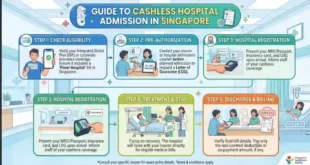
Experienced patients prepare by requesting a “Letter of Guarantee” from their insurer before they’re admitted to a hospital. This document tells the hospital that the insurance company will cover a specific portion of the costs, which prevents you from needing to pay the full deposit upfront. Without this, you might have to pay thousands of dollars in cash or via credit card before you can even check into your room.
Another detail that separates good results from bad ones is checking the “Panel of Doctors.” Most private insurance plans only pay 100% of the bill if you see a doctor who is on their approved list. If you choose a doctor outside of this panel, your insurer may only pay a fraction of the costs, leaving you with a much higher out-of-pocket balance. Always call your insurer to confirm if your surgeon is on their panel before your procedure.
Finally, keep a folder of all your medical receipts for at least three years. Even if your insurance pays the bill, you may need these records for future tax claims or to prove you have met your annual deductible. This organization saves you time when you need to submit claims for follow-up visits or medication.
Troubleshooting Common Billing Issues
If you notice your final bill is much higher than expected, use this table to identify the likely cause and the necessary action.
| What you notice | What it usually means | What to do first |
|---|---|---|
| High pro-ration charge | You used a higher ward class | Check your policy limits |
| Bill exceeds annual limit | You reached your policy cap | Contact your insurer |
| Non-panel doctor fee | Surgeon isn’t on your list | Ask for a fee estimate |
| Uncovered medication | Drugs not on the formulary | Check your plan coverage |
Most patients mistake pro-ration for a clerical error. It’s actually a mathematical adjustment triggered when you occupy a room tier above your plan’s entitlement. If your policy covers a four-bed ward but you choose a private room, the insurer pays only a fraction of the total bill.
To avoid this, always confirm your room eligibility with the admissions desk before signing the paperwork. If the hospital is full and forces an upgrade, request a letter from the administrator. Submit this proof to your insurer immediately to waive the penalty. If you’re choosing a doctor, ask if they are “in-network” specifically for your plan type, as some specialists belong to the hospital group but remain outside your specific insurance panel.
Legal Limits and Insurance Regulations
The regulatory framework for hospital coverage in Singapore is governed by the Ministry of Health (MOH). These rules ensure that basic healthcare remains affordable for all citizens, but they also define the limits of what the government will subsidize. For instance, MediShield Life is designed to cover large hospital bills in public hospitals, but it doesn’t cover cosmetic procedures or experimental treatments.
If you’re planning an expensive procedure, you must verify if the treatment is recognized under the Ministry of Health’s approved list for insurance claims. If a procedure is considered elective or cosmetic, your insurance will likely decline the claim entirely. For complex legal disputes regarding insurance payouts, you should contact the Financial Industry Disputes Resolution Centre (FIDReC) for mediation. They handle disagreements between consumers and licensed financial institutions regarding insurance claims.
Maintaining Your Coverage Long-Term
Once your hospital stay is finished, your main goal is to ensure your policy stays active for future needs. Most insurance plans in Singapore require you to pay your premiums on time to maintain coverage. If you miss a payment, your policy might lapse, meaning you would lose your protection and potentially face higher premiums if you try to re-apply later in life.
If you change your job or your insurance plan, be careful about “pre-existing conditions.” Some insurers may exclude coverage for illnesses that you were diagnosed with before you joined their plan. Always read your “Letter of Acceptance” carefully to see which conditions are covered. If you notice your health needs are changing, review your coverage annually. You can usually increase your limits or add riders during your annual renewal, but you can’t change your plan once a new, serious illness has already been diagnosed.
When to Seek Alternative Coverage
This approach of using private insurance isn’t for everyone. If you have a serious chronic condition that makes private insurance premiums too expensive or leads to many exclusions, focusing on public hospital care is often the better choice. In this case, you should rely on the basic MediShield Life and MediSave funds, which are designed to support you regardless of your health history.
Additionally, if you’re a young person with no dependents and a very tight budget, you might consider a lower-tier plan that covers only major hospital events rather than a high-end plan with a zero-dollar co-payment rider. This saves you money on monthly premiums while still protecting you against the high cost of a sudden, unexpected surgery.
Frequently asked questions
Can I use my MediSave for all out-of-pocket costs?
No, you can’t use MediSave for all costs because there are annual withdrawal limits set by the Ministry of Health. MediSave is intended to help with your deductible and co-insurance, but it rarely covers the entire bill for private hospitals or high-class wards.
How long does an insurance claim take to process?
If you have a Letter of Guarantee, the insurer often handles the payment directly with the hospital, which significantly reduces the time you spend waiting for a reimbursement.
Is it safe to stay in a ward class below my plan?
Yes, it’s safe and often recommended to stay in a lower ward class, as doing so often results in a “cash back” or a lower co-payment from your insurer. Many insurance plans provide a small daily benefit if you choose a ward class lower than your entitlement.
What happens if I go to a non-panel doctor?
If you go to a non-panel doctor, your insurance company will likely only pay a portion of the bill based on their “reasonable and customary” fee schedule. You’ll be responsible for paying the difference between the doctor’s actual charge and the amount the insurer deems reasonable.
How often should I review my hospital plan?
You should review your hospital plan once every year, usually one month before your policy renewal date. This allows you to check if your current coverage still matches your financial situation and to see if the insurer has updated their list of panel doctors or claim limits.
Can I buy insurance after I get sick?
Yes, you can buy insurance after you get sick, but the insurer will likely place an “exclusion” on your policy for that specific condition. This means they won’t pay for any future medical costs related to the illness you had before you signed the contract.
Conclusion
Taking a moment to review your policy document today will help you feel more prepared for any future health concerns. If you’re unsure about your specific coverage, don’t hesitate to call your insurer’s helpline. It’s a simple step that’ll give you peace of mind and keep your finances secure.