Tech News, Tech Iinfo Blog, Info Tech Blog
A successful singapore hospital cashless admission guide requires you to have your insurance card, a valid identification document, and a pre-authorization letter if your stay is planned. Most private hospitals in the country provide this service to patients with integrated shield plans or employer-sponsored coverage. This guide explains the administrative steps and financial checks you need to handle before you arrive at the registration counter to ensure your medical bills are covered directly by your insurer.
Registering for cashless hospital admission
A cashless admission means the hospital bills your insurance provider directly, so you don’t have to pay the full amount upfront and wait for a claim later. This service is intended for patients who hold valid health insurance policies that include a Letter of Guarantee (LOG) or a pre-approved cashless facility. Many people mistakenly think that simply showing an insurance card makes the entire bill “free,” but you’re still responsible for any deductibles, co-payments, or non-covered items as defined by your specific policy.
If you’re planning a surgery, you must request a Letter of Guarantee from your insurer at least 3 to 5 business days before the admission date. If you arrive for an emergency, the hospital’s business office will contact your insurer to verify your coverage during office hours. Always remember that the hospital acts as the service provider, but the insurer makes the final decision on whether a specific procedure or room type is covered under your plan.
Steps for a Smooth Admission
- Verify your coverage: Check your policy documents to confirm your insurer has a cashless arrangement with your chosen hospital.
- Obtain a referral: If your insurance requires it, ensure your general practitioner has provided a formal referral letter for the specialist.
- Request pre-authorization: Contact your insurer to submit a request for a Letter of Guarantee for your upcoming procedure.
- Prepare identification: Bring your original NRIC or passport, as the hospital must verify your identity to process the insurance claim.
- Confirm the deposit: Ask the admissions staff if your specific policy requires a small “good faith” deposit, which is often refunded once the insurer confirms the coverage.
- Review the consent forms: Sign the hospital’s insurance authorization form, which allows them to share your medical records with the insurer for billing purposes.
- Check the discharge status: Before you leave, wait for the business office to confirm that the insurer has finalized the payment or provided a final breakdown of your co-payment amount.
The most important judgement call is ensuring your “panel doctor” or specialist is included in your insurer’s approved network. If you choose a doctor outside the network, the cashless facility may be voided, forcing you to pay the full bill yourself.
Essential Data for Hospital Stays
| Situation | What to use | How long | What to watch for |
|---|---|---|---|
| Planned surgery | Letter of Guarantee | 3-5 days ahead | Policy annual limits |
| Emergency entry | Insurance card/App | Immediate | Coverage exclusions |
| Private ward | High-tier plan | Full duration | Co-payment percentage |
| Day surgery | Pre-auth code | 1-2 hours | Non-covered meds |
| Follow-up visit | Referral letter | Per appointment | Specialist network |
Your specific policy limit is the most critical variable. You can find this value by checking your Ministry of Health coverage portal to see what your basic plan covers versus your private integrated shield plan.
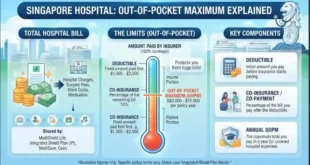
Most patients fail to verify the “co-payment” clause before admission. If your plan requires a 10% co-pay, you must ensure your cash savings cover that percentage of the total bill. Without this, the hospital may delay your discharge.
The decision rule is simple: if the procedure is elective, secure a Letter of Guarantee to avoid upfront cash deposits. If the event is an emergency, present your digital insurance card immediately to trigger the insurer’s bypass protocols. Always check if your specialist is on the insurer’s “panel.” Seeing an off-panel doctor can result in a 30% reduction in your claimable amount. Don’t assume your plan covers every medication; verify that your specific drugs are on the insurer’s approved formulary list.
Avoiding Common Admission Pitfalls
Experienced patients focus on the financial paperwork before they even pack their bags. They check if their policy covers “as-charged” amounts or if there are sub-limits on room types. A common mistake is assuming that a “private” insurance plan covers any hospital room. In reality, if your policy is tied to a “restructured hospital” tier, choosing a private hospital room will lead to significant out-of-pocket costs because your insurer will only pay a fraction of the bill.
Prepare by calling your insurer’s customer service hotline to ask specifically about the “Letter of Guarantee” process for your chosen hospital. If you’re admitted through the emergency department, ask a family member to notify your insurance agent immediately. They can often speed up the communication between the hospital’s business office and the claims department, saving you from having to settle the bill at the discharge counter.
Resolving Admission Problems
| What you notice | What it usually means | What to do first |
|---|---|---|
| Claim rejected | Plan expired or limit hit | Call your insurance agent |
| Long wait times | Insurer hasn’t replied | Contact hospital business office |
| Missing documents | Referral letter missing | Ask your GP for a copy |
| High co-payment | Policy deductible applies | Request a bill breakdown |
If you notice a billing error, don’t pay the invoice immediately. Ask the hospital’s business office to provide an itemized bill and compare it against your insurance policy’s schedule of benefits. If the discrepancy remains, contact your insurer’s claims department to clarify why a specific charge wasn’t covered.
Financial and Regulatory Rules
The rules for cashless admissions are governed by the Monetary Authority of Singapore regarding how insurers must disclose policy benefits and exclusions. These regulations ensure that you’re informed about your co-payment obligations before you sign any admission documents.
If you’re unsure about your legal rights regarding medical billing, you should reach out to the Monetary Authority of Singapore to understand the standard practices for health insurance claims.
Insurers reserve the right to deny cashless claims if the treatment is deemed “cosmetic” or not “medically necessary.” A common mistake is assuming a doctor’s recommendation guarantees coverage. It does not. If your policy explicitly lists a procedure as an elective exclusion, the insurer will reject the claim regardless of your physician’s clinical opinion.
Always check your “Schedule of Benefits” before admission. If your procedure involves both diagnostic and elective elements, ask your hospital billing department to itemize them separately. This prevents a full claim denial.
Maintaining Your Insurance Status
Once you’re discharged, keep a copy of your final hospital bill and the discharge summary. These documents are vital for any future claims or if you decide to switch insurance providers later.
If you have an integrated shield plan, ensure your premiums are paid through your MediSave account to avoid any lapses in coverage. A common mistake is assuming auto-deductions are foolproof; check your portal annually to ensure the balance is sufficient. If the balance falls below the required amount, your policy may terminate automatically, forcing you to undergo new medical underwriting to re-enroll.
If you feel your insurance company is unfairly delaying a claim, you can use the Financial Industry Disputes Resolution Centre to seek an independent review. Use this route only after you have received a formal letter of rejection from the insurer.
Always review your policy annually. Insurers may update their panel of hospitals or change co-payment structures at the start of each policy year. If your preferred specialist is removed from the panel, you must switch providers before the renewal date to maintain full coverage.
Choosing Alternative Payment Routes
If your insurance doesn’t have a cashless agreement with a specific hospital, you must follow the “pay and claim” method. This involves paying the bill using your own cash or credit card and submitting the original receipts to your insurer for reimbursement. This approach is often necessary for overseas hospitals or clinics that aren’t on your insurer’s local panel. If you’re facing a high-cost procedure and your insurance plan has a low annual limit, consider seeking care at a public hospital’s subsidized ward. Public hospitals are generally more affordable, and your insurance coverage will stretch much further, protecting your long-term savings.
Can I get a cashless admission for an emergency?
Yes, you can receive a cashless admission for an emergency, but the hospital’s business office must verify your coverage with your insurer once you’re stabilized. Ensure you have your insurance card or digital policy details readily available in your phone to speed up the verification process with the hospital staff.
How long does it take to get a Letter of Guarantee?
It typically takes 3 to 5 business days for an insurer to process a Letter of Guarantee for a planned surgery. If you need it sooner, contact your agent immediately to see if they can expedite the request, though this depends entirely on the insurer’s internal processing speed.
What happens if my insurance doesn’t cover the full bill?
You’re responsible for paying the remaining balance, including any co-payments or deductibles, directly to the hospital before you’re discharged. The hospital will provide you with a final statement showing the amount paid by the insurer and the exact portion you need to settle.
Is it safe to share my medical records with the insurer?
Yes, it’s standard practice to share your medical records with the insurer so they can assess if the treatment is covered under your policy. All hospitals in Singapore are required to follow the Personal Data Protection Act, ensuring your medical information is handled securely and only for billing purposes.
What if my insurance plan doesn’t have a cashless facility?
You must pay the hospital bill in full using your own funds and then submit a claim to your insurer for reimbursement after you’re discharged. Keep all original receipts and medical reports, as your insurer will require these documents to process your claim and verify the medical necessity.
How do I know if my doctor is on the insurance panel?
You can find the list of panel doctors and specialists on your insurance provider’s official mobile app or website. Always confirm the doctor is on the list before you book your appointment, as using a non-panel doctor can significantly increase your out-of-pocket costs for the same procedure.
The accuracy of your cashless admission depends on the current status of your policy and the specific network agreements maintained by your insurer. You should always check the latest provider list on your insurer’s official portal before scheduling any procedures to ensure you remain within the cashless network.