Tech News, Tech Iinfo Blog, Info Tech Blog
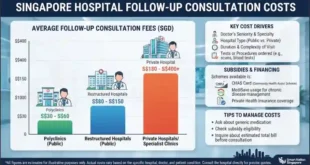
Most patients pay between $30 and $150 for a standard doctor consultation at a public clinic, though total singapore hospital outpatient treatment costs depend heavily on the specific tests, medications, and subsidies you receive. These prices cover basic care, but advanced imaging or specialist visits often lead to higher bills. To understand your own potential expenses, you should review the price information provided by the Ministry of Health. This guide clarifies how these costs work, what influences your final bill, and how you can manage your healthcare spending effectively.
How Singapore hospital outpatient treatment is priced
Outpatient treatment refers to any medical care that doesn’t require an overnight stay in a ward. This includes visits to polyclinics, specialist outpatient clinics (SOCs) at public hospitals, and private general practitioner (GP) clinics. The primary misconception people have is that all public hospital services have the same fixed price. In reality, your bill is shaped by your citizenship status, the level of subsidy you qualify for, and whether you’re referred by a primary care doctor.
The mechanism behind these charges is based on a tiered system. If you’re a Singapore citizen, you receive the highest level of government funding. Permanent residents receive lower subsidies, and non-residents pay the full, unsubsidized rate. A key rule to remember is that referrals from polyclinics or the Community Health Assist Scheme (CHAS) clinics usually unlock higher subsidies for specialist care. If you go directly to a specialist without a referral, you’re typically treated as a private patient, which significantly increases your out-of-pocket expenses.
Managing Your Medical Expenses
- Start at a Polyclinic: Always begin your care at a public polyclinic. These centers provide the most subsidized rates for consultations and basic medications.
- Obtain a Referral: If you need to see a specialist, ask your polyclinic doctor for a referral letter. This step is essential to qualify for subsidized rates at public hospital specialist outpatient clinics.
- Check Your Subsidy Tier: Your subsidy level is determined by your household monthly income per person or the annual value of your home. You can check your eligibility on the official government health portal.
- Use CHAS Benefits: If you have a CHAS card, bring it to your clinic. It provides direct subsidies for chronic condition management and acute illnesses at participating private GP clinics.
- Review Medication Costs: Ask your doctor if there are “generic” or “standard” drug alternatives. These are clinically identical to branded drugs but often cost much less.
- Request a Bill Estimate: Before undergoing elective procedures or diagnostic tests, ask the hospital’s business office for a price range. They can provide a breakdown of estimated costs for your specific condition.
The most important judgement call is deciding when to seek private care versus public care. If you prioritize speed and choice of doctor, private hospitals are better, but you must be prepared to pay the full market rate without government support.
Typical Costs and Fee Variations
| Situation | Typical Service | Estimated Cost | What to watch for |
|---|---|---|---|
| Polyclinic | Standard Consult | $15 – $40 | Subsidy tier level |
| Public Specialist | Referral Visit | $40 – $120 | Long waiting times |
| Private Clinic | Standard Consult | $50 – $150 | Medication markups |
| Diagnostic Test | X-ray/Blood work | $60 – $300 | Facility type |
| Minor Surgery | Day Procedure | $500 – $2,000 | Surgeon’s seniority |
These figures represent standard ranges for subsidized and private rates. Your final bill depends on the specific tests ordered and the complexity of your treatment plan.
If you’re a citizen, verify your specific subsidy tier before booking. A common mistake is assuming all public clinics offer identical pricing; in reality, your eligibility for government grants can swing the final out-of-pocket cost by up to 50 percent.
For diagnostic tests, always ask if the facility is “panel-approved” by your insurer. Using a non-panel clinic often results in a 20 percent surcharge compared to a preferred provider.
If your condition is chronic, prioritize a public specialist to leverage long-term subsidy schemes. If you require immediate intervention, choose a private clinic but request an itemized bill.
Getting the Best Value
Experienced patients understand that preparation is the best way to control costs. Before your appointment, gather your past medical records and a list of your current medications. This prevents the doctor from ordering redundant tests, which are a major source of unnecessary spending. If you’re managing a chronic condition, ask your doctor about the “Medication Assistance Fund” or similar programs that help lower the cost of long-term prescriptions.
Another detail that separates good results from bad ones is the timing of your follow-up visits. People who miss scheduled check-ups often find their conditions worsening, which eventually requires more expensive emergency interventions. By keeping your appointments and following the prescribed treatment plan, you avoid the high costs associated with sudden health crises. Never ignore a minor symptom thinking it will go away; early treatment is almost always cheaper than waiting for a complication to develop.
Troubleshooting Common Billing Issues
| What you notice | What it usually means | What to do first |
|---|---|---|
| Bill higher than expected | Non-subsidized status | Check your referral status |
| Unexpected drug charge | Brand-name medication used | Ask for a generic option |
| Hidden admin fees | Private clinic charges | Request an itemized bill |
| Incorrect subsidy tier | Data mismatch | Update your records with MOH |
If you notice a billing error, contact the hospital’s patient services center immediately. They can often explain the charge or correct a data entry error before your payment is processed.
Most patients make the mistake of paying the total balance first to avoid late fees. This often makes recovering a refund difficult, as administrative systems struggle to reverse settled transactions.
The decision rule is simple: if the error stems from a missing document like a referral letter, provide the proof within 48 hours to trigger a retroactive adjustment. If the error involves an incorrect subsidy tier, you must contact the Ministry of Health directly to verify your status. Once they update your profile, the hospital system will automatically recalculate your final invoice. Always keep a digital copy of your correspondence to track the resolution timeline.
Regulatory Limits and Financial Rules
Government healthcare funding is strictly regulated by the Ministry of Health to ensure affordability for citizens. The primary rule is that subsidies are strictly tied to your residency status and the “means-testing” process.
Your subsidy tier is calculated based on your household’s monthly income per person. If your household income is zero, you automatically qualify for the highest tier of government support. If you earn above the threshold, you pay a higher percentage of the bill out-of-pocket.
If costs remain beyond your means, speak with a medical social worker at your public hospital. They assess your financial situation to determine if you qualify for the Medifund program. This is a safety net for those who have exhausted all other financial options, including private insurance and personal savings.
Never assume you don’t qualify for help. The most common mistake is failing to disclose all household debts, which can lead to an inaccurate assessment. These programs exist to ensure no one is denied necessary treatment due to an inability to pay.
Maintaining Your Health Records
Once your treatment is complete, store all medical receipts and discharge summaries in a dedicated folder or digital drive. These documents are vital for insurance claims and for your future doctors to understand your medical history.
If you’re on long-term medication, keep a log of your refill dates. Many public hospitals offer a “tele-consult” or “medication delivery” service that can save you the cost and time of traveling to the hospital for simple prescription renewals.
A common mistake is discarding “negative” test results. Keep these for at least three years, as they provide a baseline for future comparisons. If a doctor orders a new test, knowing your previous results can prevent redundant procedures and unnecessary out-of-pocket expenses.
If you notice a change in your condition, don’t wait for your next scheduled visit; call the clinic to report the change. They can tell you if you need an earlier appointment or if your current treatment needs a simple, low-cost adjustment. If your symptoms interfere with sleep or daily tasks, treat that as a priority call.
When Alternative Care is Better
This public hospital approach is the wrong choice if you require immediate, life-saving intervention or if you have a specific preference for a named consultant surgeon. In an emergency, you should go to the nearest 24-hour A&E department regardless of the cost.
If you have complex, non-emergency needs and want a specific specialist, private practice is a better alternative. While you’ll pay more, you gain the ability to choose your doctor and typically face shorter waiting times for appointments.
A common mistake is assuming private care provides better clinical outcomes for routine procedures. In reality, the primary advantage is administrative speed. If your condition is stable but debilitating, private care can cut your wait time by months. Use this decision rule: if the procedure is elective and time-sensitive, pay for the private route. If the procedure is high-risk and requires intensive care support, stay within the public system where specialized emergency infrastructure is guaranteed.
Frequently asked questions
How long does it take to get a specialist appointment?
It typically takes 2 to 6 weeks for a non-urgent referral at a public hospital. If your condition is urgent, your polyclinic doctor will mark the referral as “priority,” which can shorten the wait to within 1 to 2 weeks.
Is it safe to use generic medications?
Yes, generic medications are safe and strictly regulated by the Health Sciences Authority. They contain the same active ingredients as branded drugs and must meet the same quality and safety standards before they’re approved for use in local hospitals.
What happens if I can’t pay my hospital bill?
You should immediately request to speak with a medical social worker at the hospital. They can review your case for financial assistance, including Medifund, which is designed to help patients who have difficulty paying for their medical care.
How often should I check my subsidy tier?
You should check your subsidy tier once every year or whenever your household income changes significantly. The government automatically reviews data, but you should verify your status if you have moved to a new home or had a major change in family size.
Can I use my Medisave for outpatient costs?
Yes, you can use Medisave for specific chronic conditions under the Chronic Disease Management Programme. However, there are annual withdrawal limits for these services, so check your balance via the Central Provident Fund website before your visit.
Why does the same test cost different amounts?
The price varies based on your subsidy tier and whether the test is performed as part of a consultation or a standalone procedure. Always ask for an estimated quote for the specific test code before you agree to the appointment.
Conclusion
Taking charge of your medical expenses doesn’t have to be overwhelming. You shouldn’t hesitate to ask your doctor for a clear breakdown of charges before starting any treatment. By staying informed and planning ahead, you’ll feel more confident managing your health journey and won’t be caught off guard by your final bill.