Tech News, Tech Iinfo Blog, Info Tech Blog
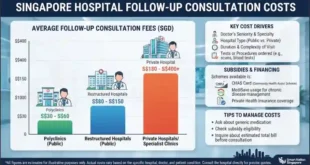
Total bills for a procedure often range from $1,500 to $6,000, though singapore hospital day surgery costs explained through official fee benchmarks help patients estimate their final out-of-pocket expenses. These figures depend heavily on your chosen ward class, the complexity of the operation, and the specific surgeon’s fees. This guide covers how to interpret these costs, the factors that influence your final bill, and how to use government resources to plan your medical budget effectively.
How Singapore hospital surgery costs work
Day surgery refers to medical procedures that allow you to go home on the same day. Because you don’t occupy a hospital bed overnight, you save on room and board charges, which typically make up a large portion of an inpatient bill. However, you still pay for the operating theater, anesthesia, surgical implants, and the surgeon’s professional fees.
People often assume that “day surgery” means the bill will be small, but the complexity of the procedure is what drives the price. If you’re having a simple biopsy, the costs are low. If you’re having a complex orthopedic procedure, the facility and equipment fees will be much higher. The most important rule to remember is that you’re billed for the resources used during your time in the facility, regardless of whether you sleep there. You can check the Ministry of Health historical fee benchmarks to see the typical costs for common procedures in public and private hospitals.
Navigating the Payment Process
To manage your surgery bill, follow these steps to ensure you remain within your budget and insurance coverage limits.
- Confirm your procedure code with your surgeon, as this dictates the specific fee tier.
- Request a financial counseling session from the hospital’s billing department before the surgery date.
- Ask for a written estimate that separates surgeon fees, anesthesia, and facility charges.
- Check your insurance policy to see if your plan covers “day surgery” or “outpatient surgery” specifically.
- Verify if your Medisave account can be used for the specific code, as some procedures aren’t eligible for CPF claims.
- Submit your pre-authorization forms to your insurer at least 7 days before your appointment to avoid unexpected denials.
The critical judgement call is choosing between a public or private hospital. Public hospitals follow standard government-subsidized rates, while private hospitals offer more flexibility in scheduling but often charge higher professional fees that may exceed insurance limits.
Comparison of Cost Factors
| Situation | Expected Cost Level | Primary Driver | What to watch for |
|---|---|---|---|
| Public Hospital (Subsidized) | Low | Government grant | Long waiting times |
| Public Hospital (Private) | Medium | Specialist fees | Higher non-subsidized rates |
| Private Hospital | High | Facility premium | Co-payment percentages |
| Simple Procedure | Low | Consumables | Anesthesia duration |
| Complex Procedure | High | Surgical equipment | Implant costs |
Choosing between these settings requires a clear decision rule. If your procedure is non-urgent and you have time to wait, the subsidized public path saves the most capital. However, if you require a specific surgeon or rapid intervention, the private route is necessary.
A common mistake is ignoring the hidden “facility premium” in private settings. Many patients assume the surgeon’s fee is the total cost, but hospital overheads often double the final invoice.
Always check if your insurance covers the specific facility, not just the procedure. If the hospital is out-of-network, you may face a co-payment spike of 30% or more. Before signing, ask for a “bundled estimate” that includes anesthesia and recovery room fees. If the estimate excludes these, assume your final bill will be at least 20% higher than the initial quote.
Excellence in Preparation
Experienced patients prioritize the financial counseling session, which is a meeting where a hospital officer explains exactly what your insurance will and won’t cover. A common mistake is assuming that “full coverage” means you pay zero dollars. Most private insurance plans have a co-payment or deductible component that you must pay out of pocket, regardless of the procedure type. If you don’t ask about these specific deductibles, you might be surprised by a bill for 10-20% of the total surgery cost.
Preparation also involves reviewing your Medisave balance. This account is designed to cover specific medical needs, but it has withdrawal limits for different types of surgeries. If your procedure involves expensive implants, ensure your surgeon confirms the exact model, as some premium implants aren’t fully covered by standard insurance or Medisave claim limits. Always keep a copy of your surgery consent form and the itemized estimate in your records.
Troubleshooting Billing Issues
| What you notice | What it usually means | What to do first |
|---|---|---|
| Bill exceeds estimate | Unforeseen complications | Request an itemized bill |
| Insurance claim rejected | Missing procedure code | Contact your surgeon’s clinic |
| Unexpected facility fee | After-hours charges | Check your admission time |
| High anesthesia charge | Longer surgery time | Ask for a breakdown of hours |
If your bill exceeds the estimate by more than 20%, don’t pay the balance immediately. Most hospitals include a “facility fee” that’s often negotiable if you can prove the service was elective rather than emergency.
When insurance rejects a claim, verify the Table of Surgical Procedures (TOSP) code on your Explanation of Benefits. A common mistake is a mismatch between the surgeon’s billing code and the facility’s code. This error costs patients thousands in out-of-pocket expenses.
If you suspect a facility fee error, check your discharge papers for the exact time of exit. Always ask the billing department for a “coding audit” if the charges remain unexplained after your initial inquiry. This forces a manual review of your chart rather than an automated computer response.
Regulatory Limits on Fees
The Ministry of Health in Singapore sets fee benchmarks to prevent excessive charging by medical practitioners. These benchmarks provide a range for professional fees, but they aren’t mandatory price caps. Surgeons may charge above these benchmarks if the case is particularly complex or requires specialized equipment.
If you’re concerned about high costs, you have the right to request a second opinion or ask for a transparent breakdown of the surgeon’s fee. Always ask for the specific “Table of Surgical Procedures” code used for your operation. This code determines the maximum claim limit under your Integrated Shield Plan.
Note that if you choose a surgeon who isn’t on your insurance provider’s “panel,” your coverage may be significantly lower. Many insurers apply a pro-ration factor of 20% to 50% for non-panel providers, meaning you pay the difference out of pocket. Always verify the panel status of your doctor before booking your date. This simple check prevents you from being hit with a large, non-reimbursable bill that insurance won’t cover.
Maintaining Your Medical Records
Once your surgery is finished, keep all discharge summaries and final invoices in a safe place. If you have an integrated shield plan or private health insurance, you’ll need these documents to file your claims correctly. Most insurers require you to submit claims within 30 to 90 days of the procedure date.
If you need a follow-up, check if the hospital includes the first post-surgery consultation in the initial package price. Many facilities bundle the first check-up, but subsequent visits are usually billed as separate outpatient appointments. If you feel that your recovery isn’t going as planned, contact the clinic immediately rather than waiting for the scheduled follow-up. Early intervention can prevent infections or complications that might require another, more expensive, hospital visit.
Choosing Alternative Care Paths
If your procedure is classified as high-risk, a day surgery center might not be the right choice. In such cases, your surgeon may recommend an inpatient stay so that nursing staff can monitor you overnight.
You should also consider an alternative approach if your home environment isn’t suitable for recovery, such as if you lack someone to assist you during the first 24 hours. A common mistake is assuming you can manage alone; this often leads to avoidable complications like post-operative falls or medication errors.
Use this decision rule: if your procedure requires general anesthesia lasting longer than three hours, or if you live alone and have limited mobility, opt for inpatient care. In these situations, a short stay is safer and often required by the hospital to ensure you’re stable before discharge. This extra layer of professional oversight significantly reduces your risk of readmission.
Frequently asked questions
How long does the hospital take to send the final bill?
Most hospitals issue the final bill within 14 days of your discharge. If you used your insurance or Medisave, the processing time might take an additional 30 days to reflect the final net amount you need to pay after the claims are processed.
Is it safe to have surgery and go home the same day?
Yes, it’s safe for the majority of minor and elective procedures. Hospitals perform a strict assessment of your physical state and your home support system before allowing you to leave, ensuring you’re stable and able to manage basic care after the anesthesia wears off.
What happens if I have a complication after discharge?
If you have a complication, you should contact your surgeon’s clinic immediately for instructions. Depending on the severity of the symptoms, they will advise whether you need to return to the emergency department or if you can be managed through a quick follow-up visit.
Can I use Medisave for all day surgery costs?
No, you can’t use Medisave for all costs, as there are specific withdrawal limits per procedure and per day. You must check the Ministry of Health’s table of surgical operations to see if your specific procedure is eligible and what the maximum claimable amount is.
How much should I set aside for a co-payment?
You should set aside at least 10% to 20% of the total estimated bill for co-payments, depending on your insurance plan’s deductible. Even with comprehensive coverage, most policies require the patient to cover a portion of the costs to discourage unnecessary medical utilization.
Why are surgeon fees different for the same procedure?
Surgeon fees vary based on the doctor’s seniority, experience, and the complexity of your specific case. A surgeon may charge at the higher end of the benchmark range if your medical history requires extra time or specialized techniques compared to a standard patient.
Conclusion
Managing your healthcare finances requires active communication with your medical team before you step into the operating room. By verifying your insurance panel status, understanding your Medisave limits, and requesting a detailed financial estimate, you can avoid the stress of unexpected costs and focus entirely on your recovery.