Tech News, Tech Iinfo Blog, Info Tech Blog
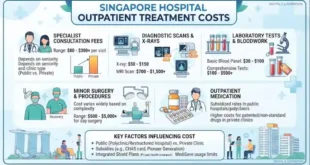
Singapore hospital follow-up consultation costs for specialists range from $30 to $120 for private patients and $15 to $40 for subsidized patients. You should schedule these visits promptly because expired referrals require you to pay for a new specialist fee.
Pricing Based on Patient Status
The cost of your medical visit varies based on your residency status and the level of subsidy you receive from the government. Public hospitals in Singapore operate on a tiered pricing model to ensure that essential care remains affordable for citizens and permanent residents.
| Patient Status | Estimated Cost Range | What determines the price |
|---|---|---|
| Subsidized (SC/PR) | $15 – $40 | Government subsidy tier |
| Private (Public Hospital) | $30 – $120 | Specialist seniority level |
| Private Hospital | $150 – $300+ | Hospital facility fee |
| International Patient | $200 – $500+ | Non-resident surcharge |
To determine your tier, check your Means Test result. This assessment uses your household income and the number of dependents to calculate your specific subsidy percentage. If you don’t provide these financial details, the system defaults to the lowest subsidy bracket, which significantly increases your out-of-pocket expenses.
A common mistake is assuming that private status in a public hospital offers faster access to all services. While you may choose your specific consultant, you still share the same diagnostic infrastructure as subsidized patients. If you require urgent, specialized surgery, the wait times often converge regardless of your payment tier. Use private status only if you prioritize seeing a specific senior consultant for long-term management.
Consequences of Delayed Appointments
Skipping your scheduled follow-up consultation often leads to a disruption in your continuity of care. When you miss a follow-up, the primary risk is that your specialist can’t track the effectiveness of your current treatment plan. This failure to monitor progress often results in a worsening of your condition or the need for more aggressive, expensive interventions later on.
The first change you’ll notice is a loss of momentum in your recovery. If your doctor prescribed medication based on a specific timeline, skipping the check-up means you might run out of pills without a renewed prescription. This forces you to request an emergency refill, which can be difficult to coordinate if the doctor needs to review your recent blood work or imaging results first. Many patients fail to realize that pharmacies won’t honor expired prescriptions, leaving them without critical medication for days.
After a few months of missing appointments, your file may be marked as “inactive” in the hospital system. Many institutions require a fresh referral from a primary care physician if you haven’t seen your specialist within a certain window, usually six to twelve months. You can verify the exact validity period of your referral by checking the Agency for Integrated Care guidance on specialist outpatient referrals. This administrative hurdle adds both time and extra consultation fees to your process.
Eventually, if you continue to skip appointments, the hospital may discharge you from their specialist clinic entirely. This means that if your health problem returns, you must start the entire process over—visiting a GP, getting a new referral, and waiting for a new appointment slot. This isn’t for those who want to maintain a stable relationship with a single medical team. The loss of your history with that specific specialist can slow down future diagnosis and treatment, as new doctors must spend valuable time reconstructing your clinical background from scratch.
Signs You Need an Appointment
- Medication running low: You have fewer than 7 days of prescribed pills left. Don’t wait for the final dose; pharmacies often require 48 hours to process refills, and a gap in treatment can trigger a relapse.
- New symptoms appearing: You feel pain or discomfort that wasn’t present at your last visit. If the sensation persists for more than 48 hours or disrupts your sleep, it warrants a professional assessment.
- Referral expiry approaching: Your current specialist referral is within 30 days of its end date. If you don’t book before this window closes, you’ll likely need to restart the entire primary care authorization process.
- Lab results pending: You were told to return specifically to discuss recent blood or scan results. Never assume that “no news is good news,” as clerical errors can delay critical findings.
- Chronic condition flare-up: Your baseline health has shifted. If your rescue medication is required more than twice weekly, your current management plan is no longer sufficient.
- Follow-up date passed: You missed the suggested checkout date. Schedule immediately to avoid losing your spot in the provider’s recurring patient rotation.
Effort and Time Requirements
Attending a consultation requires more than just the time spent in the exam room. You should plan for a total commitment of two to four hours, which accounts for registration, waiting times, and the consultation itself. The effort is minimal but requires you to have your identification and medical records ready.
If you’re a subsidized patient, you must bring your NRIC or valid government identification to confirm your subsidy tier. Forgetting this can lead to being charged the full private rate, which is a common mistake that costs patients hundreds of dollars in unnecessary fees. Always verify your eligibility status on the government portal before leaving home. If your status has recently changed due to employment or age, bring the physical notification letter to override the system’s default.
You should also bring a list of your current medications and any notes regarding how you have felt since your last visit. If you take supplements, include them, as they often interact with prescription drugs.
The process is straightforward: you arrive at the specialist outpatient clinic, register at the kiosk or counter, and wait for your queue number. The specialist will review your history, examine you, and decide if you need further tests or a change in medication. You can check the hospital’s official website for their specific “patient guide” to see if they allow online registration or mobile check-in. Using these digital tools can save you thirty minutes in the lobby. This isn’t for those who expect to be in and out in under an hour, as specialist clinics in public hospitals are high-volume environments. If you have a strict deadline, schedule your appointment for the first slot after lunch to avoid morning backlog.
Habits to Reduce Costs
- Use polyclinic referrals: Always secure a referral from a public polyclinic before visiting a specialist. This simple step ensures you qualify for the highest level of government subsidy, which can reduce your final bill by up to 50 percent compared to a private referral.
- Consolidate your visits: Ask your specialist if follow-up labs can be scheduled on the same day as your consultation. This prevents double-charging for facility fees and saves you the cost of an extra commute.
- Request generic medications: Always ask the pharmacist if a generic alternative exists for your prescribed brand-name drugs. These options often contain the exact same active ingredients but cost 30 to 80 percent less.
- Check subsidy eligibility: Use the government’s online portal to confirm your household income data is current. If your income has dropped since your last update, you may qualify for a higher tier of financial assistance. Failing to update this information costs many families hundreds of dollars annually.
Frequently asked questions
How long does a referral last?
A specialist referral typically remains valid for 12 months, though the exact duration depends on the specific hospital’s policy and the nature of your condition. You can find the expiry date printed clearly on your referral letter or within your digital health portal record. If your referral is close to expiring, you must visit a polyclinic to obtain a new one before your follow-up appointment to avoid being charged private patient rates.
Can I change my appointment date?
You can reschedule your appointment through the hospital’s patient portal or by calling their central appointment line, usually at least 3 to 5 days in advance. Changing your date too close to the visit may result in administrative fees or a longer wait for the next available slot. Always check the hospital’s specific rescheduling policy on their website, as some departments have stricter rules for high-demand specialists.
What happens if I lose my appointment card?
You don’t need a physical card to attend your appointment, as your identity is verified through your NRIC or passport at the registration counter. If you need to know your appointment time or location, log in to the hospital’s patient mobile app or health portal to view your upcoming schedule. If you can’t access the digital system, call the hospital’s main switchboard and provide your NRIC number to the operator.
Is it cheaper to see a GP instead?
A GP consultation is significantly cheaper than a specialist follow-up, often costing between $20 and $50 for a standard visit. However, a GP can’t perform the specialized procedures or manage the complex conditions that a hospital specialist handles. You should only switch to a GP if your specialist has officially discharged you and provided a clear long-term management plan for your primary care doctor to follow.
How do I know my subsidy tier?
Your subsidy tier is determined by your monthly household income per capita and the annual value of your residence. You can check your current status by logging into the national health portal, which pulls data directly from government records. If your financial situation has changed significantly since your last assessment, you can request a re-assessment at the hospital’s financial counseling department before your next consultation.
Does insurance cover these costs?
Private health insurance may cover a portion of your consultation fees, but coverage depends entirely on your specific policy and the hospital’s status as an “in-network” provider. Check your policy’s schedule of benefits to see if it covers outpatient specialist visits or if it only applies to inpatient procedures. Always obtain a formal receipt from the hospital’s cashier, as you’ll need this document to submit any claims to your insurance provider.
Conclusion
Start by checking your most recent discharge summary or referral letter to see the specific date or month your doctor suggested for your return. Call the hospital’s appointment line immediately to secure a slot, as popular specialists often have waiting lists of several weeks or even months. If you experience sudden, severe pain, or if your condition changes drastically before your scheduled date, stop waiting for the follow-up and go to the nearest emergency department for immediate care.