Tech News, Tech Iinfo Blog, Info Tech Blog
Singapore medical second opinion cost typically ranges from SGD 300 to SGD 1,500 per case, depending on the specialist and whether the review is done in person or through a telemedicine platform. Public hospital specialist clinics tend to charge less than private clinics, and subsidy-eligible patients at public institutions pay lower rates. Some insurers cover second opinions under their outpatient or rider benefits, while others treat them as self-pay services. This guide breaks down what drives the price, where to check current fees, and when a second opinion is worth paying for.
What a medical second opinion in Singapore means
A medical second opinion is when you ask another doctor, usually a specialist, to review your diagnosis, test results, or treatment plan before you commit to a course of care. Patients in Singapore use it to confirm a serious diagnosis, compare treatment options, or feel more confident about surgery. It isn’t a replacement for your regular doctor, and the second doctor doesn’t always take over your care.
One common misconception is that a second opinion always leads to a different diagnosis; in practice, many second opinions simply confirm the first one. If you’re unsure whether your situation qualifies, ask your current specialist or contact the patient service team at the hospital or clinic you plan to visit.
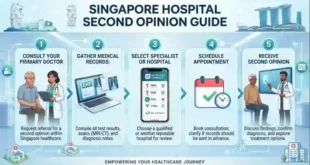
How to get a second opinion in Singapore
- Ask your current doctor for your medical records, including scan images, lab reports, and discharge summaries.
- Decide whether you want an in-person consultation or a remote review through a telemedicine service.
- Choose a public hospital specialist clinic, a private specialist clinic, or a dedicated second-opinion platform.
- Book an appointment and submit your records ahead of time so the doctor can review them.
- Attend the consultation or video call, and ask the doctor to put their findings in writing.
- Compare the second opinion with your first doctor’s advice before deciding on treatment.
The single judgement call that separates a useful second opinion from a wasted one is whether you bring complete records. If the specialist can’t see your scans and pathology results, the review is incomplete and you may need to repeat tests, which adds cost and delay.
Typical fees and what changes the price
| Situation | What to expect | The figure that matters | What to watch for |
|---|---|---|---|
| Public hospital specialist clinic (subsidised) | Consultation with a specialist | SGD 40 to SGD 80 per visit | Subsidy applies only to eligible citizens and permanent residents |
| Public hospital specialist clinic (non-subsidised) | Consultation with a specialist | SGD 120 to SGD 200 per visit | Higher rates for non-residents and private patients |
| Private specialist clinic | Consultation with a specialist | SGD 150 to SGD 400 per visit | Fees vary by seniority and subspecialty |
| Telemedicine second opinion | Remote review of records | SGD 300 to SGD 800 per case | Check whether follow-up questions are included |
| Complex case review | Multiple specialists or tumour board | SGD 800 to SGD 1,500 or more | May require additional imaging or tests |
Fees above cover the doctor’s consultation only and don’t include repeat scans, blood tests, or procedures. You can check today’s rates on each hospital’s official fees page or by calling the clinic directly before booking.
What experienced patients get right
Patients who get the most from a second opinion send their full record set before the appointment, not just the latest summary. Imaging reports, pathology slides or reports, lab results, and the notes from the first consultation all help the second doctor see how the diagnosis was reached. A summary can leave out the details that explain a borderline result or a change in findings over time.
They also book with a specialist in the same field as their original diagnosis, such as a cardiologist for a heart condition or an oncologist for cancer, rather than a generalist. A generalist may be reassuring, but a review that matters most needs someone who sees the same condition every week and knows the current treatment options in detail.
During the review, they ask direct questions: does the second doctor agree with the diagnosis, the staging, and the recommended treatment? Where the two opinions differ, they write down the reasons given for each view, so they can raise those points with their original doctor. A disagreement on staging, for example, often comes down to which scan or test was weighted more heavily, and that’s worth knowing.
Experienced patients also don’t assume a more expensive doctor is automatically better. Price reflects the clinic, the appointment length and the seniority of the consultant, not necessarily the quality of the judgment on your case. They also don’t switch hospitals without telling their first doctor, since continuity of care matters for ongoing treatment, and a sudden change can leave test results, prescriptions and follow-up plans scattered across two systems.
Common problems and what to do about them
| What you notice | What it usually means | What to do first |
|---|---|---|
| The second doctor disagrees with the first | Genuine difference in clinical judgement | Ask both doctors to explain their reasoning before choosing |
| Records are missing or scans can’t be opened | Incomplete file sent ahead | Resend files in the format the clinic requests |
| The fee is higher than quoted | Additional tests or a senior specialist | Request an itemised bill before paying |
| The opinion is vague or one paragraph | Records were insufficient for a full review | Book a follow-up or provide more documents |
If the two opinions conflict on surgery or a major treatment, don’t decide on the spot. Ask your primary doctor to discuss the difference with the second specialist, or seek a third opinion from another institution.
Rules and what to check before you book
Singapore doesn’t set a fixed national fee for second opinions, so each clinic and hospital publishes its own charges. Before booking, confirm these five things: whether the doctor is registered with the Singapore Medical Council, whether your insurance rider or company panel covers second opinions, whether the clinic accepts your medical records in digital form, whether the quoted fee includes a written report, and whether a follow-up consultation costs extra.
You can check a doctor’s registration through the Singapore Medical Council’s online register. If your case involves surgery, chemotherapy, or another high-risk treatment, the second opinion should come from a specialist with practising privileges at a recognised hospital, not a general practitioner.
Keeping the result useful afterwards
Ask for a written report from the second doctor before you leave the consultation, and make sure it states the diagnosis, the reasoning behind it, and the options discussed. A verbal summary fades quickly, and a report gives your primary doctor something concrete to act on. Keep a copy with your medical file, whether that’s a folder at home or a digital record you can open on your phone.
Share the report with your primary doctor as soon as you can, ideally with a short note about what you want them to do next. This keeps your treatment plan coordinated, so one specialist isn’t prescribing one path while another is quietly pursuing a different one. Many patients find it helps to book a follow-up with their primary doctor to talk through the report in person.
Think of the second opinion as a snapshot of your situation on the day it was given. If your symptoms change in a meaningful way, or new test results arrive that the second doctor never saw, the conclusions may no longer hold. Sudden new symptoms, a scan showing something different, or a treatment that has stopped working are all reasons to go back. Keep a simple log of symptom changes between visits so you can explain the timeline clearly.
When you return, bring the same records you used the first time, plus anything new. Specialists can then compare results against earlier ones instead of ordering the same scans again, which saves you time and money.
When a second opinion isn’t the right choice
If you need emergency treatment, don’t wait for a second opinion. Chest pain, sudden weakness, severe bleeding, or trouble breathing are reasons to go straight to the emergency department, even if you have an appointment booked elsewhere for later. A second opinion is a planning tool, and planning doesn’t belong in a crisis.
A second opinion also makes less sense when your condition is stable and your doctor has already explained the options clearly. Suppose you can repeat back the diagnosis, the choices, and the likely outcome of each.
In that case, another specialist will probably recommend a similar path, and you’ll have spent money to hear the same thing. This changes if the first doctor was rushed, if you left the consultation with important questions unanswered, or if the treatment proposed is major and hard to reverse, such as surgery.
Records matter just as much. A reviewing specialist can only judge what they can see, so ask your current clinic for scans, lab reports, pathology slides, and discharge summaries before you book. If the records are slow to arrive, it’s usually better to postpone the appointment than to pay for a review based on incomplete information.
In each of these situations, the better step is to speak with your current specialist about what is unclear, or to go to urgent care if symptoms are worsening but not life-threatening. Your existing doctor can often clarify the decision, order a missing test, or refer you on, which may answer the question faster and more cheaply than a second opinion would.
Frequently asked questions
How much does a second opinion cost in Singapore?
Expect to pay roughly SGD 300 to SGD 1,500 per case, depending on whether you use a public clinic, a private specialist, or a telemedicine service, and whether you qualify for subsidies.
Is a second opinion covered by insurance in Singapore?
Some insurers cover it under outpatient benefits or riders, while others treat it as self-pay; check your policy documents or call your insurer before booking.
Can I get a second opinion without my first doctor knowing?
You can, but it’s better to tell your primary doctor so records are shared and your care stays coordinated.
How long does a second opinion take?
An appointment is usually available within days to a couple of weeks, and the written report often follows within a week, depending on the clinic and how quickly your records arrive.
What happens if the two doctors disagree?
Ask both specialists to explain their reasoning, discuss the difference with your primary doctor, and consider a third opinion before major treatment.
Is a telemedicine second opinion safe in Singapore?
It’s appropriate for reviewing records and test results, but it doesn’t replace a physical examination when one is needed for diagnosis.
Do I need a referral letter for a second opinion?
Private clinics often accept self-referrals, while some public hospital specialist clinics require a referral from a polyclinic or another doctor to qualify for subsidised rates.
Conclusion
Before you book anything, call the clinic or platform and ask for their current fee in writing, along with what is included, such as a consultation summary or a records review. Then ask your insurer whether your plan covers second opinions, since a short phone call can save you a lot. You’ll feel more confident knowing exactly what you’re paying for before you sit down with the new doctor.