Tech News, Tech Iinfo Blog, Info Tech Blog
A second opinion means asking a different doctor to review your diagnosis or treatment plan before you go ahead. In Singapore, patients can request one at public hospitals, private hospitals, and specialist clinics. Costs vary by institution and whether you’re a citizen, permanent resident, or foreign patient, so check the hospital’s own fee page before booking. This guide explains how to get one, what it costs, and what to expect.
What a second opinion means
A second opinion is a review by a doctor who wasn’t involved in your first diagnosis or treatment plan. It’s used to confirm a diagnosis, explore other treatment options, or simply gain confidence before surgery or long-term therapy. Patients in Singapore use it for serious conditions such as cancer, heart disease, or neurological disorders, but it’s available for many other concerns too.
The common misconception is that asking for one means you distrust your first doctor. It does not. Most specialists welcome it because treatment decisions are often complex, and another expert view can clarify the best path. Singapore’s Ministry of Health supports patients making informed choices about their own care, and hospitals routinely process these requests.
How to get a second opinion in Singapore
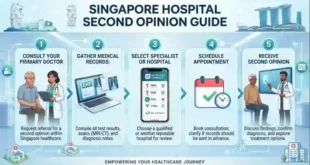
- Ask your current doctor for a referral letter and copies of your medical records, including scans and test results. Allow three to five working days for the hospital to prepare them.
- Choose the hospital or specialist. Public hospitals such as Singapore General Hospital and National University Hospital offer second-opinion services, as do private hospitals and specialist clinics.
- Call the specialist clinic to book an appointment. Mention that you want a second opinion so they schedule the right consultation length.
- Bring your records, scans, and a list of current medicines to the appointment. Expect the visit to take thirty to sixty minutes.
- Ask the specialist to put their views in writing, including whether they agree or disagree with the first plan and why.
- Decide which doctor to continue with. You can stay with your first doctor, switch to the second, or ask both to coordinate.
The single judgement call is whether the two opinions conflict. If they do, ask each doctor to explain the specific evidence behind their view, and consider a third opinion from a subspecialist before committing to major surgery.
Second opinion costs and settings at a glance
| Patient type and setting | What to expect | Typical consultation figure | What to watch for |
|---|---|---|---|
| Singapore citizen, public hospital | Subsidised specialist consultation | Varies by ward class and means test | Subsidy depends on income and ward class |
| Permanent resident, public hospital | Subsidised consultation, higher citizen rate | Check the hospital’s fee page | Not all clinics offer second-opinion slots |
| Foreign patient, public hospital | Non-subsidised private rates | Often higher than citizen rates | Ask for a deposit estimate upfront |
| Private hospital or clinic | Full private fees, no subsidy | Set by the specialist and institution | Fees differ widely between specialists |
| Telemedicine review | Overseas or local video consultation | Varies by provider | Confirm the doctor is registered in Singapore |
| Insurance claim | Check your policy before booking | Some insurers cover second opinions | Pre-authorisation may be required |
These figures assume a standard initial consultation. Repeat visits, additional scans, or procedures are billed separately, so ask for a written estimate before you commit.
Details that separate good results from bad ones
Patients who get the most from a second opinion prepare before they arrive. They bring original scan films or digital files rather than relying on memory, and they write down their questions so nothing is forgotten during a short consultation. They also tell the second doctor about every medicine and supplement they take, because that changes what treatments are safe.
Experienced patients check partway through whether the second opinion adds anything new. If the specialist simply repeats the first diagnosis without reviewing the actual scans or pathology slides, the review may not be worth the fee. A useful second opinion looks at the raw data, not just the first doctor’s summary.
They also leave the emotional pressure alone. A second opinion is information, not a command to switch doctors immediately. Taking a few days to compare both views usually leads to a better decision than rushing into treatment because one opinion sounded more confident.
Common problems and quick fixes
| What you notice | What it usually means | What to do first |
|---|---|---|
| The clinic says they don’t offer second opinions | Not all specialists provide this service | Call another clinic or ask your GP for a referral |
| Your scans aren’t ready in time | Records take days to compile | Request them at least one week before the appointment |
| The two doctors disagree completely | Complex cases often have more than one valid approach | Ask for a third opinion from a subspecialist |
| The fee is much higher than expected | You may be billed as a private or foreign patient | Ask for a written estimate before booking |
| Your insurer declines to cover it | Not all policies include second opinions | Check your policy documents and request pre-authorisation |
Rules and things to check before you start
You can check a doctor’s registration on the Singapore Medical Council’s public register before you book, which takes about a minute and avoids paying for a visit that won’t count for anything.
Before booking, confirm these five things: whether the specialist treats your condition, whether your medical records can be transferred, what the total fee will be, whether your insurance covers the visit, and how long you should wait before starting treatment. Ask for the total fee in writing, including consultation, any scans or tests the specialist may order, and follow-up visits, because the first quote often covers only part of the bill.
Records are the item most people forget. Ask your current clinic or hospital for copies of your scans, lab reports, and discharge summaries before your appointment, not on the day, since some institutions take several working days to release them. Pictures of scan films taken on your phone are rarely enough for a specialist to judge the case properly.
Waiting for a second opinion is safe for many conditions, but not all. Write down the answer, and if it’s a day or two, book the earliest slot you can rather than a convenient later one.
For anything involving surgery, chemotherapy, or a new diagnosis, speak with your current care team before making changes. Tell them you’re seeking a second opinion.
Keeping the result useful afterwards
Ask the second doctor to give you a written summary of their opinion, and keep it with your medical records. Ask for the diagnosis, the reasoning behind it, and any tests or treatments they recommend, so that the summary stands on its own when you read it weeks later.
Ask for a copy of your original records too, including scans, lab results and pathology slides where they exist. Hospitals in Singapore can release these on request, and having them together lets the second doctor compare findings directly rather than relying on your memory of what was said.
If you switch doctors, send that summary and the supporting records to your new care team before your first visit. This helps them avoid repeating tests unnecessarily, which saves you time and cost. If you stay with your first doctor, share the second opinion so both can coordinate. Ask them to note any points of disagreement and agree on who will make the final call.
There’s no fixed interval for repeating a second opinion. Get another review if your diagnosis changes, if your treatment stops working, or if your doctor recommends a major new procedure. In those cases, a fresh look often matters more than the first one did.
When a second opinion isn’t the right choice
If your condition requires emergency treatment, don’t delay care to chase another opinion. Go to the emergency department or follow your doctor’s urgent advice first. A second opinion can usually be sought once you’re stable, and many hospitals will review your records remotely without holding up treatment.
If you already trust your first doctor and the treatment is straightforward, a second opinion may add cost without changing the plan. Routine follow-up for a well-controlled condition is one common example. In that case, ask your doctor to explain the evidence once more instead. Write down the specific questions you have, such as why this option was chosen over the alternatives, and bring them to your next visit.
A second opinion is most useful when the decision is large, the options are genuinely different, or your first doctor’s recommendation doesn’t fully fit your circumstances. Those are the situations where a fresh view is worth the time and money.
If you need a procedure that only one hospital in Singapore performs, travelling elsewhere for a second opinion may not be practical. In that case, ask that centre directly about their review process. Many will accept your scans and records for a documents-only review, which gives you an expert view without a separate visit.
Frequently asked questions
Can I get a second opinion at any hospital in Singapore?
No. Not every hospital or clinic offers second-opinion appointments. Call the specialist clinic first to confirm they accept second-opinion patients for your condition.
How long does a second opinion take?
Expect three to five working days to gather your records, plus thirty to sixty minutes for the consultation itself. The exact timing depends on the hospital and how quickly your first doctor releases your files.
Is a second opinion covered by insurance?
Some policies cover it, others do not. Check your policy documents and ask for pre-authorisation before booking, because assumptions often lead to denied claims.
What happens if the two doctors disagree?
Ask each specialist to explain the evidence behind their view, and consider a third opinion from a subspecialist before major surgery or long-term treatment.
Is it safe to wait for a second opinion?
For many conditions, yes. For time-sensitive illnesses, ask your doctor how many days you can safely delay before starting treatment.
Can I stay with my first doctor after getting a second opinion?
Yes. You can keep your first doctor, switch to the second, or ask both to coordinate your care.
Do I need a referral letter for a second opinion?
It depends on the clinic. Public hospitals usually require one, while many private specialists accept self-referrals. Call ahead to confirm.
Conclusion
A second opinion in Singapore puts another expert’s eyes on your diagnosis or treatment plan, and it’s your right as a patient. Start by asking your current doctor for your records, then book with a specialist who treats your condition. Compare both views carefully before you decide, and remember that waiting a few days is safe for many conditions — but not all.