Techbdit.com Tech News, Tech Iinfo Blog, Info Tech Blog
Singapore has become one of the world’s top destinations for medical tourism. Every year, thousands of international patients travel here for treatments ranging from simple check-ups to advanced surgeries. The city-state stands out for its modern hospitals, skilled doctors, and efficient healthcare systems.
In 2026, Singapore’s medical tourism continues to grow, offering global visitors high-quality care and convenience. This guide will help you understand why Singapore is a favorite for medical travelers, which hospitals are best, what costs to expect, and how to plan your journey for the best results.
Singapore’s appeal lies in its combination of medical excellence and hospitality. Patients can expect clean, safe environments, short waiting times, and easy communication. English is widely spoken, making it easier for visitors from many countries. The government supports medical tourism, ensuring that facilities maintain high standards.
The city itself is easy to navigate, with reliable public transport and a wide range of hotels. For those seeking specialized care, Singapore offers expertise in areas like cancer treatment, cardiac surgery, fertility, and cosmetic procedures. Advanced technology, strict infection control, and personalized service make Singapore a standout choice.
Choosing the right hospital and doctor is crucial for a successful medical trip. Singapore has both public and private hospitals, each with its strengths. Private hospitals often provide faster service and more luxury, while public hospitals offer similar medical quality at lower prices.
Most hospitals welcome international patients, and some have dedicated teams to help with travel, accommodation, and paperwork. Understanding the costs and comparing options is important, as prices vary between hospitals and procedures. This guide will give you a clear view of Singapore’s top hospitals, typical prices for treatments, and tips for planning your visit.
Why Singapore Is A Leading Medical Tourism Destination
Singapore’s reputation in healthcare is built on years of investment and strict regulations. The country ranked highly in global health systems surveys, with low infection rates and high survival rates for complex procedures. Patients come from Indonesia, Malaysia, China, the Middle East, and even Europe and the US.
Singapore’s hospitals are accredited by international bodies like the Joint Commission International (JCI), which assures safety and quality. This makes Singapore a trusted place for medical travelers.
The country’s healthcare system is efficient, with short waiting times for most procedures. Patients can book appointments in advance and expect clear communication from doctors and staff. Most hospitals have interpreters for languages like Mandarin, Malay, Tamil, and others. The city itself is safe, with low crime and high cleanliness.
Visitors also find Singapore easy to get around, with modern public transport and good road connections. Hotels range from budget to luxury, many located near hospitals.
Singapore’s medical tourism market is supported by the government. Agencies like the Singapore Tourism Board and HealthHub provide information and help. Regulations ensure transparency in pricing and patient safety. Hospitals regularly upgrade their equipment and train staff, keeping up with the latest medical advances.
This ongoing improvement attracts patients who want reliable, modern care.
Another factor is Singapore’s multicultural society. Doctors and nurses are used to working with people from different backgrounds. The city’s food, shopping, and entertainment make recovery more pleasant. Patients can combine treatment with leisure, visiting attractions like Gardens by the Bay or Sentosa Island during their stay.
Many hospitals offer packages that include medical care, accommodation, and even sightseeing.
Singapore is also known for its focus on medical research. Hospitals often work with universities, developing new treatments and offering clinical trials. This gives patients access to advanced therapies not available elsewhere. For example, Singapore is a leader in stem cell research, cancer therapies, and robotic surgery.
The city’s high-tech approach means patients benefit from accurate diagnostics and less invasive procedures.
A common misconception is that Singapore is only suitable for wealthy patients. While prices are higher than in some neighboring countries, the quality of care often justifies the cost. Many hospitals offer transparent billing and help with insurance claims. Visitors can choose between public and private options, balancing cost and comfort.
Singapore’s strict regulations also mean that hidden costs are rare, and patients get clear information before treatment.
Singapore’s medical tourism is not limited to surgeries or complex procedures. Many visitors come for preventive care, health screenings, and dental work. The city’s clinics offer packages for check-ups, vaccinations, and wellness services. This makes Singapore a good choice for those seeking both treatment and overall health improvement.
The country’s focus on innovation means that even routine care is delivered with high standards.
Top Hospitals For Medical Tourism In Singapore
Singapore’s best hospitals attract patients from all over the world. These hospitals are known for their modern facilities, experienced doctors, and patient-centered approach. Some focus on specific specialties, while others offer a wide range of services. International accreditation, advanced technology, and personalized care are common features.
Here are the hospitals that stand out in 2026.
Mount Elizabeth Hospital is one of the most famous names in Singapore medical tourism. Located in the Orchard Road area, it is easily accessible and offers a wide range of specialties. The hospital is known for cardiac surgery, cancer treatment, neurology, and orthopedics.
It has a dedicated international patient center that helps with appointments, visas, and accommodation. Mount Elizabeth’s doctors are often trained in the US, UK, or Australia, and the hospital uses advanced diagnostic and surgical equipment. Patients can expect a comfortable environment, private rooms, and fast service.
Gleneagles Hospital is another top choice, especially for complex surgeries and pediatric care. The hospital is recognized for its expertise in gastroenterology, cardiology, and oncology. Gleneagles has a strong reputation for personalized care, with doctors spending time to explain procedures and answer questions.
The hospital also has a dedicated international team, making it easier for foreign patients to navigate the system. Gleneagles offers both inpatient and outpatient services, with modern amenities and a focus on patient comfort.
Singapore General Hospital (SGH) is the largest and oldest hospital in the country. It serves both local and international patients, with a wide range of specialties. SGH is known for its expertise in organ transplants, cancer care, and advanced diagnostics.
The hospital is government-funded, which means prices are often lower than private hospitals. SGH offers high medical standards, modern technology, and experienced staff. The hospital also has research centers, giving patients access to new treatments and clinical trials.
Raffles Hospital is a popular choice for those seeking a balance between quality and price. The hospital is centrally located and offers specialties like fertility, orthopedics, and cosmetic surgery. Raffles has a dedicated international patient center, helping with travel, accommodation, and insurance.
The hospital is known for its personalized approach, with doctors and staff focusing on individual needs. Raffles offers both inpatient and outpatient care, with a wide range of packages for different procedures.
National University Hospital (NUH) is part of the National University Health System. It is known for its expertise in cancer, heart disease, and children’s health. NUH works closely with the university, offering advanced treatments and clinical trials. The hospital serves both locals and foreigners, with a dedicated international patient team.
NUH is often chosen for complex cases, as it has specialists in many fields and access to the latest medical research.
Parkway East Hospital is a smaller hospital but offers high-quality care, especially for orthopedic and surgical procedures. It is known for its personalized service, modern facilities, and efficient processes. Parkway East welcomes international patients and offers packages for surgeries, health checks, and more.
The hospital is less crowded than larger facilities, making it a good choice for those seeking privacy and fast service.
Thomson Medical Centre is famous for women’s health and fertility treatments. The hospital offers maternity care, IVF, and gynecology services. Thomson Medical is a favorite for patients seeking a comfortable environment and personalized attention. The hospital has modern facilities, experienced staff, and a strong reputation in fertility and childbirth.
Farrer Park Hospital is one of the newest hospitals in Singapore, with advanced technology and a focus on patient comfort. The hospital offers specialties like cardiology, neurology, and oncology. Farrer Park is known for its hotel-like environment, with private rooms, smart beds, and high-tech diagnostics.
The hospital has a dedicated international patient center, helping with travel and paperwork. Farrer Park combines medical excellence with luxury, making it a popular choice for those seeking both quality and comfort.
Tan Tock Seng Hospital is a public hospital with a strong reputation for infectious disease treatment and general medicine. The hospital offers a wide range of specialties and serves both locals and foreigners. Tan Tock Seng has modern facilities, experienced doctors, and a focus on patient safety.
The hospital is often chosen for its expertise in internal medicine, geriatrics, and rehabilitation.
KK Women’s and Children’s Hospital is the largest facility in Singapore for women’s and children’s health. The hospital offers maternity care, pediatric surgery, and specialized treatments. KK Hospital is known for its advanced technology, experienced staff, and focus on patient safety.
The hospital serves both local and international patients, with dedicated teams for each group.
These hospitals are recognized for their high standards, international accreditation, and patient-centered care. Most have dedicated teams to help international patients with travel, accommodation, and paperwork. Patients can expect clear communication, fast service, and comfortable environments. Choosing the right hospital depends on your needs, budget, and preferences.

Credit: worldfertilityservices.com
Comparing Singapore’s Top Hospitals
Selecting the best hospital for your medical treatment involves more than just reputation. You need to look at specialties, location, costs, and support for international patients. Here is a comparison of Singapore’s top hospitals in 2026, highlighting the most important features for medical tourists.
| Hospital | Main Specialties | Location | International Patient Support | Estimated Cost Range |
|---|---|---|---|---|
| Mount Elizabeth Hospital | Cardiology, Oncology, Neurology, Orthopedics | Orchard Road | Yes, dedicated center | $3,000–$25,000 |
| Gleneagles Hospital | Gastroenterology, Cardiology, Oncology, Pediatrics | Near Botanic Gardens | Yes, strong support | $2,800–$24,000 |
| Singapore General Hospital (SGH) | Transplant, Cancer, Diagnostics | Outram | Yes, public hospital team | $2,500–$20,000 |
| Raffles Hospital | Fertility, Orthopedics, Cosmetic Surgery | Bugis | Yes, personalized | $2,700–$22,000 |
| National University Hospital (NUH) | Cancer, Cardiology, Pediatrics | West Singapore | Yes, university-linked | $2,600–$21,000 |
Mount Elizabeth Hospital is a leader in cardiac and cancer care, with high-end facilities and experienced doctors. Gleneagles Hospital stands out for pediatric and digestive care, as well as personalized service. Singapore General Hospital is the largest and offers lower prices, with strong expertise in transplants and cancer.
Raffles Hospital is known for fertility and cosmetic procedures, balancing quality and price. National University Hospital focuses on advanced treatments and research, making it a good choice for complex cases.
All these hospitals have support centers for international patients. This includes help with booking, translation, visas, and accommodation. The estimated cost ranges cover common procedures but can vary based on complexity. Location matters, as some hospitals are near tourist attractions or shopping areas, making recovery more pleasant.
Choosing the best hospital depends on your medical needs, budget, and preferences for comfort.
Medical Costs In Singapore For International Patients
Medical costs in Singapore are generally higher than in neighboring countries but lower than in Western countries. The price you pay depends on the hospital, procedure, and level of comfort. Private hospitals charge more for faster service and luxury, while public hospitals offer similar medical quality at lower prices.
The cost for common procedures varies widely. For example, a heart bypass surgery can cost between $18,000 and $26,000 in a private hospital. Knee replacement surgery ranges from $15,000 to $20,000. Cancer treatments like chemotherapy can cost from $2,500 to $6,000 per cycle, depending on the drugs used and hospital.
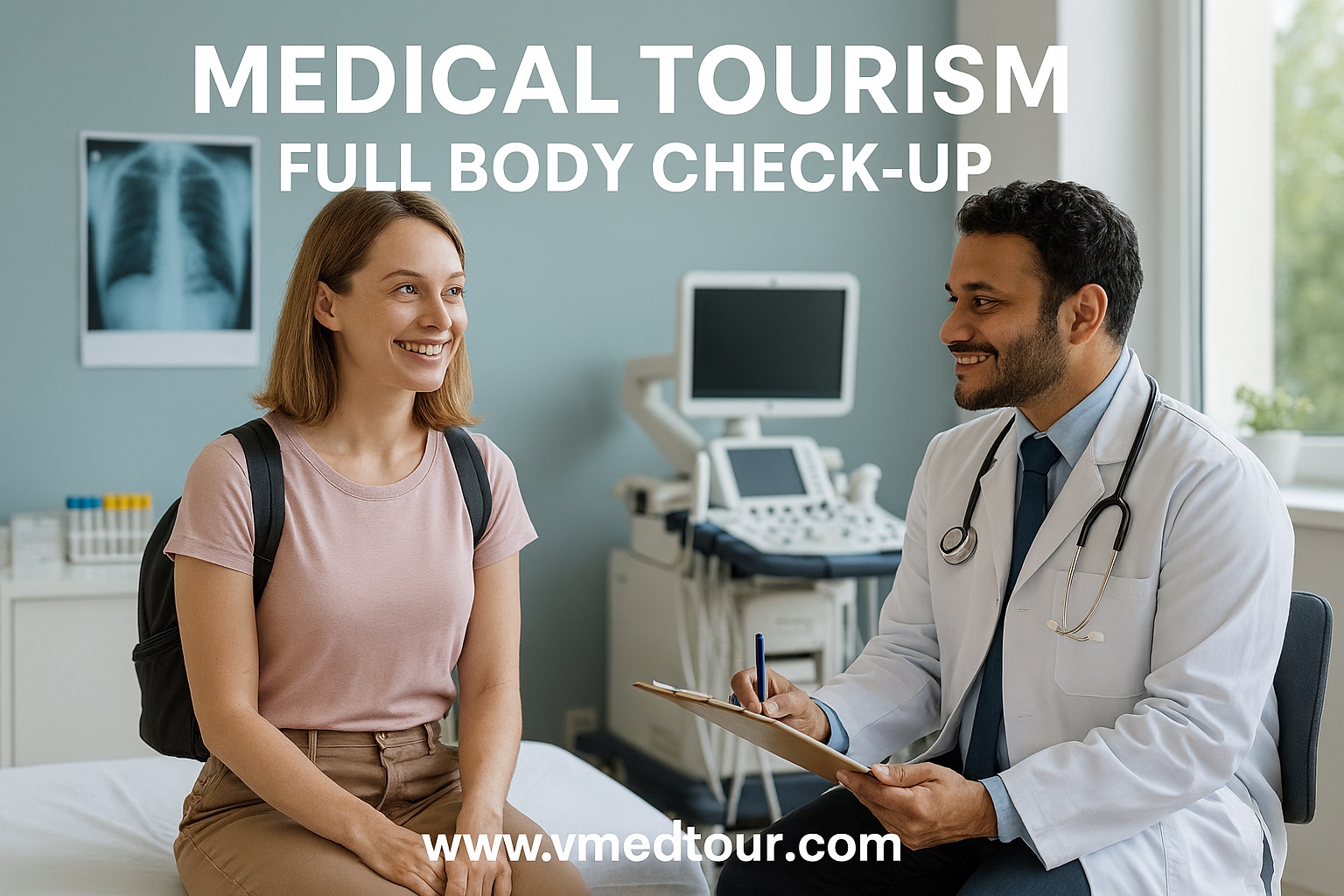
Health screenings and check-ups are more affordable, with packages starting at $300 and going up to $1,500 for comprehensive tests.
Dental work is also popular among medical tourists. A dental implant in Singapore costs between $2,500 and $5,000, depending on the material and complexity. Cosmetic procedures like rhinoplasty, breast augmentation, or liposuction range from $6,000 to $15,000. Fertility treatments such as IVF cost between $12,000 and $20,000 per cycle, including medication and lab fees.
Public hospitals offer lower prices, especially for basic treatments. For example, a knee replacement in Singapore General Hospital may cost $12,000 to $16,000. Health screenings are available for $250 to $800. However, waiting times may be longer, and rooms are less luxurious.
Private hospitals offer more comfort, private rooms, and faster service, but prices are higher.
Singapore’s hospitals are transparent in pricing. Before treatment, you receive a detailed estimate, including doctor’s fees, hospital charges, medication, and tests. Payment is usually required upfront or after each stage of treatment. Most hospitals accept international credit cards and help with insurance claims.
Some offer packages for surgery, recovery, and accommodation, making it easier for patients to plan their budget.
A common mistake is to focus only on procedure cost and ignore extras like tests, medication, and follow-up visits. It’s important to ask for a full breakdown before treatment. Another tip is to compare prices between hospitals and check for package deals.
Hospitals often offer discounts for combined services or longer stays. Some private hospitals include airport transfers, interpreter services, and hotel accommodation in their packages.
Singapore’s strict regulations mean hidden costs are rare. Hospitals must provide clear billing, and disputes are resolved quickly. Insurance is accepted in most hospitals, but you should check if your policy covers overseas treatment. Some hospitals work with international insurers, helping with paperwork and claims.
Credit: wmedtour.com
Comparing Medical Costs: Singapore Vs. Other Countries
Medical tourism is often about balancing cost and quality. Singapore is more expensive than countries like Thailand, India, or Malaysia, but offers higher standards and safety. Compared to the US or UK, Singapore is often more affordable, with similar or better outcomes.
Here is a comparison of medical costs for common procedures in 2026.
| Procedure | Singapore | Thailand | India | United States |
|---|---|---|---|---|
| Heart Bypass | $18,000–$26,000 | $14,000–$18,000 | $7,000–$10,000 | $80,000–$130,000 |
| Knee Replacement | $15,000–$20,000 | $12,000–$16,000 | $6,000–$8,000 | $35,000–$55,000 |
| IVF Cycle | $12,000–$20,000 | $8,000–$12,000 | $4,000–$7,000 | $20,000–$30,000 |
| Dental Implant | $2,500–$5,000 | $1,500–$3,000 | $900–$2,000 | $3,000–$6,000 |
| Health Screening | $300–$1,500 | $180–$900 | $100–$700 | $500–$2,000 |
Singapore’s prices are higher than India or Thailand, but the difference is justified by quality, safety, and speed. Compared to the US, Singapore offers significant savings and similar outcomes. Many patients choose Singapore for its clean, safe environment and expertise in complex procedures.
The city’s strict regulations and international accreditation make it a trusted choice.
How To Plan Your Medical Trip To Singapore
Planning a medical trip involves more than booking a flight and hospital appointment. You need to prepare documents, arrange accommodation, and understand local customs. Singapore’s hospitals help international patients with these steps, but it’s important to know what to expect.
Start by researching hospitals and doctors. Most hospitals have websites with information on specialties, doctors, and prices. You can email the international patient center to ask questions or request a quote. It’s important to share your medical history, test results, and any special needs.
Hospitals review your case and suggest treatment options. Once you choose a hospital and doctor, they help with scheduling, visa support, and travel advice.
Visa requirements depend on your country. Many visitors can enter Singapore without a visa for short stays. For longer stays or complex treatments, you may need a medical visa. Hospitals provide support letters and help with paperwork. It’s important to check the latest rules, as regulations can change.
Singapore’s immigration is efficient, but you should prepare documents in advance.
Accommodation is easy to arrange, with many hotels near hospitals. Some hospitals have partnerships with hotels, offering discounts or packages. You can choose from budget to luxury options, depending on your preference. Hospitals also offer on-site accommodation for longer stays.
It’s important to book early, as hotels can fill up during peak seasons.
Transport in Singapore is reliable, with modern trains, buses, and taxis. Hospitals often provide airport transfers for international patients. Public transport is easy to use, with English signs and helpful staff. You can travel between hospital, hotel, and tourist attractions without hassle.
Some hospitals offer shuttle services for patients.
Communication is easy, as English is widely spoken. Hospitals provide interpreters for other languages. Doctors and staff are used to working with international patients, explaining procedures and answering questions clearly. It’s important to ask for detailed explanations and confirm your understanding before treatment.
Payment is usually required before or after each stage of treatment. Hospitals accept international credit cards and help with insurance claims. Some offer payment plans or packages for longer stays. It’s important to ask for a full breakdown of costs and check if your insurance covers overseas treatment.
Hospitals help with paperwork and claims, making the process smooth.
Recovery in Singapore is comfortable, with clean environments and good food. Hospitals offer rehabilitation, follow-up visits, and support for recovery. Many patients combine treatment with leisure, visiting attractions and relaxing in hotels. Singapore’s safe environment and modern facilities make recovery pleasant.
It’s important to follow local customs and regulations. Singapore is strict about cleanliness, safety, and behavior. Smoking is banned in public places, and fines are common for breaking rules. It’s important to respect local customs and follow hospital guidelines.
Common Mistakes And How To Avoid Them
Many medical tourists make mistakes that affect their experience. One common error is not researching hospitals and doctors thoroughly. It’s important to check accreditation, specialties, and patient reviews. Choosing the cheapest option can lead to problems, as quality and safety vary between hospitals.
Another mistake is not asking for a full cost breakdown. Many patients focus only on procedure cost and ignore extras like tests, medication, and follow-up visits. It’s important to ask for a detailed estimate and check for hidden fees. Hospitals in Singapore are transparent, but you should confirm all costs before treatment.
Some patients ignore visa and travel requirements. It’s important to check if you need a medical visa and prepare documents in advance. Hospitals help with paperwork, but delays can occur if documents are missing. Booking accommodation early is important, as hotels fill up during peak seasons.
Ignoring recovery needs is another mistake. Some patients book short stays, expecting to recover quickly. It’s important to plan for enough recovery time, follow hospital advice, and attend follow-up visits. Singapore offers good rehabilitation, but rushing recovery can lead to complications.
Not checking insurance coverage is a common error. Some international policies cover overseas treatment, but others do not. It’s important to confirm with your insurer and check if the hospital accepts your policy. Hospitals help with claims, but you should prepare documents and ask for support.
Another mistake is not communicating clearly with doctors and staff. It’s important to ask questions, confirm understanding, and share your medical history. Doctors in Singapore explain procedures, but you should confirm details and ask for written information if needed.
Singapore’s Medical Specialties And Innovations
Singapore is known for its expertise in several medical specialties. Cardiac surgery is a major area, with hospitals offering advanced treatments and high survival rates. Cancer care is another strength, with hospitals providing chemotherapy, radiation, and surgery using the latest technology.
Fertility treatments are popular, with clinics offering IVF, egg freezing, and genetic testing.
Neurology and neurosurgery are strong areas, with hospitals performing complex brain and spinal surgeries. Orthopedics, including joint replacement and spine surgery, is another specialty. Singapore’s hospitals use minimally invasive techniques, reducing pain and recovery time. Cosmetic surgery is also popular, with clinics offering rhinoplasty, breast augmentation, and liposuction.
Singapore is a leader in medical innovation. Hospitals use robotic surgery, advanced imaging, and precision medicine. Research centers work with universities, developing new therapies and offering clinical trials. For example, stem cell treatments and immunotherapy for cancer are available in Singapore.
Hospitals use digital records and AI diagnostics, improving accuracy and speed.
Preventive care is a focus, with hospitals offering health screenings, vaccinations, and wellness programs. Dental care is advanced, with clinics offering implants, braces, and cosmetic treatments. Singapore’s strict regulations ensure high standards in all specialties.
A non-obvious insight is that Singapore hospitals often use multidisciplinary teams. This means doctors from different specialties work together, improving outcomes. For example, cancer care involves oncologists, surgeons, radiologists, and nutritionists. Patients benefit from coordinated care and faster recovery.
Another insight is that Singapore’s hospitals offer telemedicine and remote consultations. Patients can discuss cases with doctors before arriving, reducing travel and speeding up decisions. This is useful for complex cases or second opinions.

Credit: my1health.com
What To Expect During Your Hospital Stay
Hospital stays in Singapore are comfortable and efficient. Most hospitals offer private rooms, with amenities like TV, Wi-Fi, and meals. Staff are attentive, helping with daily needs and medical care. Doctors visit regularly, explaining progress and answering questions. Nurses are well-trained, focusing on patient safety and comfort.
Admission is smooth, with hospitals preparing rooms and paperwork in advance. You receive a schedule for tests, procedures, and follow-up visits. Hospitals provide interpreters for international patients, making communication easy. Doctors explain procedures, risks, and recovery steps before treatment.
Surgery and procedures are performed in modern operating rooms, using advanced equipment. Hospitals follow strict infection control, reducing risks. Recovery rooms are comfortable, with staff monitoring progress and managing pain. Rehabilitation and physiotherapy are available, helping patients recover faster.
Meals are healthy and adapted to patient needs. Hospitals offer international menus, with options for special diets. Staff help with daily needs, including bathing, dressing, and mobility. Hospitals provide support for family members, including accommodation and meals.
Discharge is planned, with doctors explaining follow-up care and medication. Hospitals provide written instructions and schedule follow-up visits. International patients receive help with travel and insurance claims. Hospitals offer telemedicine for follow-up, allowing remote consultations.
A non-obvious tip is to bring personal items for comfort, such as books, music, or family photos. Singapore’s hospitals allow visitors, but rules may change during pandemics. It’s important to check visitor policies and follow hospital guidelines.
Singapore’s Medical Tourism Packages
Many hospitals offer medical tourism packages, making planning easier. Packages include treatment, accommodation, airport transfers, and interpreter services. Some packages cover surgery, recovery, and sightseeing, allowing patients to combine treatment with leisure.
Packages for health screenings start at $350, including tests, doctor consultation, and follow-up. Surgery packages cover procedure, hospital stay, medication, and post-op care. For example, a knee replacement package may cost $16,000, including surgery, recovery, and physiotherapy. IVF packages cover all tests, medication, and lab fees, costing $14,000 to $18,000.
Cosmetic surgery packages include procedure, recovery, and hotel stay. Dental packages cover implants, crowns, and cleaning. Hospitals offer family packages for check-ups and vaccinations, making it easy for groups to travel together.
Packages are transparent, with hospitals providing detailed information. Payment is required before or after each stage. Packages often include discounts for combined services or longer stays. Hospitals help with visa support and travel arrangements.
A practical insight is to compare package details and check what is included. Some packages cover only medical care, while others include accommodation and transport. It’s important to confirm all details and ask for written information. Packages make planning easier and help control costs.
Singapore’s Medical Tourism Safety And Quality
Safety is a priority in Singapore’s healthcare system. Hospitals follow strict infection control, hygiene, and patient safety protocols. International accreditation, such as JCI, assures quality. Doctors and staff are well-trained, with many having international experience.
Singapore’s government regulates hospitals, ensuring transparency and quality. Hospitals report outcomes and follow strict guidelines for treatment. Infection rates are low, and survival rates for complex procedures are high. Hospitals use advanced technology, improving diagnostics and reducing risks.
Patient privacy and confidentiality are protected. Hospitals follow international standards for medical records and data security. Staff respect patient choices and explain procedures clearly. Complaints are resolved quickly, with hospitals offering support for disputes.
A unique feature is Singapore’s focus on continuous improvement. Hospitals regularly upgrade equipment and train staff. Research centers develop new treatments, offering patients access to advanced therapies. Hospitals use feedback from patients to improve services.
Singapore’s environment is safe, with low crime and high cleanliness. Hospitals are located in clean, modern areas, making recovery pleasant. Visitors can travel safely between hospital, hotel, and tourist attractions.
Practical Tips For Medical Tourists In Singapore
Before traveling, prepare your medical records, test results, and prescriptions. Hospitals review your history and plan treatment. Bring personal items for comfort and recovery. Check visa requirements and prepare documents in advance.
Book accommodation early, especially during peak seasons. Choose hotels near hospitals for convenience. Hospitals offer airport transfers and shuttle services, making travel easy.
Ask for a full breakdown of costs before treatment. Confirm what is included in packages and check for hidden fees. Hospitals in Singapore are transparent, but you should confirm all details.
Follow hospital guidelines for recovery and follow-up care. Attend all scheduled visits and follow doctor instructions. Singapore offers good rehabilitation and telemedicine for follow-up.
Respect local customs and regulations. Singapore is strict about cleanliness and behavior. Follow hospital and city rules to avoid fines.
For more information and official resources, you can visit the Singapore Tourism Board.
Frequently Asked Questions
What Documents Do I Need For Medical Treatment In Singapore?
You need your passport, medical records, test results, and prescriptions. Hospitals require your medical history to plan treatment. Visa requirements depend on your country. Many visitors can enter Singapore without a visa for short stays, but longer or complex treatments may require a medical visa.
Hospitals help with visa support and documents.
How Do I Pay For Medical Treatment In Singapore?
Payment is usually required before or after each stage of treatment. Hospitals accept international credit cards and help with insurance claims. Some offer payment plans or packages for longer stays. It’s important to ask for a full breakdown of costs and confirm what is included.
Insurance is accepted in most hospitals, but you should check if your policy covers overseas treatment.
How Long Should I Stay In Singapore For Medical Treatment?
The length of stay depends on your procedure and recovery needs. Most surgeries require a few days in hospital and a week or more for recovery. Health screenings and check-ups can be done in one or two days. Hospitals help with accommodation and recovery planning.
It’s important to plan enough time for follow-up visits and rehabilitation.
Is Singapore Safe For Medical Tourists?
Singapore is one of the safest cities in the world. Hospitals follow strict safety and infection control protocols. The city is clean, with low crime and reliable transport. International patients are well-supported, with dedicated teams and interpreters. Recovery is comfortable, with modern hotels and safe environments.
Can I Combine Medical Treatment With Sightseeing In Singapore?
Yes, many patients combine medical treatment with leisure. Hospitals offer packages that include sightseeing and recovery in comfortable hotels. Singapore has many attractions, including Gardens by the Bay, Sentosa Island, and shopping areas. It’s important to plan your schedule and follow hospital advice for recovery.
Singapore’s medical tourism industry continues to grow, offering international patients world-class care, safety, and convenience. With modern hospitals, skilled doctors, and transparent pricing, Singapore is a top choice for those seeking reliable treatment and a pleasant recovery environment. Planning your trip carefully, choosing the right hospital, and understanding costs will help you get the best results.
Whether you need advanced surgery, preventive care, or cosmetic procedures, Singapore offers solutions for every medical traveler.