 Tech News, Tech Iinfo Blog, Info Tech Blog
Singapore is known across Asia for its world-class healthcare system. This city-state combines high-quality medical care, cutting-edge technology, and a strong focus on patient safety. As we look ahead to 2026, Singapore’s top healthcare providers continue to set the standard for excellence.
Whether you are a resident, expat, or medical traveler, understanding your options is important. This guide explores the leading hospitals, clinics, and healthcare groups in Singapore, what makes them unique, and how to choose the best provider for your needs.
Understanding Singapore’s Healthcare Landscape
Singapore’s healthcare system is a mix of public and private providers. The government oversees many hospitals through its public health clusters, but private hospitals and specialist clinics also play a major role. The system is supported by a robust insurance framework and medical tourism continues to grow.
One key strength is the integration between primary care (such as general practitioners) and specialist services. Patients can access a range of care, from routine checkups to complex surgeries, often with short waiting times.
Public Vs. Private Healthcare
- Public hospitals are known for affordability, advanced facilities, and comprehensive services. They are subsidized and accessible to all Singaporeans.
- Private hospitals offer shorter waiting times, more personalized service, and luxury amenities. They are popular with expats and medical tourists.
Both sectors attract top medical talent and invest in technology. However, the cost difference between public and private care can be significant. It’s important to check if your insurance covers private treatment or if you are eligible for public subsidies.
Top 10 Hospitals In Singapore 2026
Singapore’s hospitals are consistently ranked among the best in Asia. Here are the top 10, based on patient outcomes, reputation, facilities, and international accreditation.
1. Singapore General Hospital (sgh)
Singapore General Hospital is the oldest and largest hospital in Singapore. Founded in 1821, it has evolved into a leading teaching and research center. SGH offers a full range of specialties, including oncology, cardiology, orthopedics, and transplantation.
SGH is renowned for its National Heart Centre and National Cancer Centre, both located within the hospital campus. Patients benefit from multi-disciplinary teams, the latest medical equipment, and strong patient safety protocols. In 2026, SGH continues to lead in clinical trials and innovative treatments.
2. National University Hospital (nuh)
NUH is the main teaching hospital for the National University of Singapore. It is recognized for its expertise in pediatrics, women’s health, and organ transplants. NUH’s partnership with research institutes enables rapid adoption of new treatments.
A unique strength is its Children’s Emergency unit, which provides specialized care for young patients. The hospital is also a leader in robotic surgery and minimally invasive procedures.
3. Tan Tock Seng Hospital (ttsh)
Located near the city center, TTSH is one of Singapore’s busiest hospitals. It has played a central role in public health, especially during infectious disease outbreaks. The hospital’s National Centre for Infectious Diseases is at the forefront of research and patient care.
TTSH is also strong in geriatrics, neurology, and rehabilitation. Patients appreciate the hospital’s efficient processes and integrated care approach.
4. Mount Elizabeth Hospital (orchard)
Mount Elizabeth Hospital is a private hospital known for luxury care and specialist expertise. Its location in Orchard makes it accessible for international patients. The hospital is famous for its advanced cardiac, oncology, and orthopedic centers.
Patients at Mount Elizabeth enjoy private rooms, personalized service, and quick access to top specialists. The hospital is accredited by the Joint Commission International (JCI), which ensures high standards of safety and quality.
5. Gleneagles Hospital
Gleneagles Hospital is another leading private facility. It stands out for its liver and kidney transplant programs, as well as strong surgical specialties. Gleneagles invests in the latest diagnostic and surgical equipment.
One insight many miss: Gleneagles has a dedicated International Patient Service Center, making it easy for foreigners to arrange treatment and follow-up care.
6. Kk Women’s And Children’s Hospital (kkh)
KKH is Singapore’s largest hospital for women and children. It handles more than 500,000 patient visits each year. Key services include obstetrics, neonatology, pediatric surgery, and adolescent medicine.
The hospital is respected for its research in genetics and child development. KKH’s Women’s Health Institute leads in minimally invasive gynecological surgery and fertility treatments.
7. Parkway East Hospital
A favorite among East Coast residents, Parkway East Hospital is a private hospital that offers a warm, community-focused environment. Despite being smaller than Mount Elizabeth or Gleneagles, it excels in surgery, maternity, and senior care.
A practical detail: Parkway East is known for shorter waiting times and a less crowded setting, which many patients prefer.
8. Raffles Hospital
Raffles Hospital is the flagship of Raffles Medical Group. It offers a comprehensive range of specialties, including heart, eye, and orthopedic centers. The hospital is popular for its one-stop health screening packages and integrated care.
Raffles has strong ties with insurers and offers direct billing for many international plans. The hospital’s location near Bugis makes it convenient for city dwellers and travelers.
9. Farrer Park Hospital
Farrer Park Hospital is one of Singapore’s newest private hospitals. Opened in 2016, it was designed with patient comfort and technology in mind. Features include smart rooms, digital records, and a hotel-style environment.
Farrer Park is strong in oncology, cardiology, and minimally invasive surgery. One non-obvious benefit: the hospital is connected to a medical specialist center and a hotel, making it ideal for medical tourists.
10. Sengkang General Hospital
Sengkang General Hospital is part of Singapore’s newest public hospital network. Opened to serve the northeast region, it provides general and specialty care, with a focus on community health.
Sengkang is strong in emergency medicine, diabetes management, and rehabilitation. It is linked with Sengkang Community Hospital for seamless patient transitions from acute care to recovery.

Credit: otg-lab.com
Leading Healthcare Groups And Networks
Beyond individual hospitals, Singapore has several healthcare groups that operate across multiple facilities. These networks ensure consistent care and access to specialists.
Singhealth
SingHealth is Singapore’s largest public healthcare group. It manages SGH, KKH, and other major hospitals and polyclinics. SingHealth is known for research, education, and innovation. Patients benefit from coordinated care and access to sub-specialists.
National Healthcare Group (nhg)
NHG includes TTSH, Khoo Teck Puat Hospital, Yishun Community Hospital, and several polyclinics. It is especially strong in geriatrics, chronic disease management, and mental health. NHG emphasizes preventive care and healthy living.
National University Health System (nuhs)
NUHS manages NUH, Ng Teng Fong General Hospital, and Alexandra Hospital. The group is linked with the National University of Singapore, supporting medical education and research. NUHS is a leader in academic medicine and translational research.
Parkway Pantai
Parkway Pantai is the largest private healthcare group in Singapore. It operates Mount Elizabeth, Gleneagles, Parkway East, and Mount Elizabeth Novena hospitals. Parkway Pantai hospitals are popular with international patients for their luxury care and English-speaking staff.
Raffles Medical Group
Raffles Medical Group offers services through Raffles Hospital and a network of clinics. The group is recognized for its integrated care, from general practice to specialist surgery. Raffles Medical is also a major provider of corporate health plans.
Best Specialist Centers In Singapore
Many of Singapore’s top hospitals house specialist centers, but there are also independent clinics known for their expertise. Here are some leading centers by specialty:
Cardiology
- National Heart Centre Singapore (NHCS) at SGH is the national referral center for heart disease. It offers advanced procedures such as heart transplants, angioplasty, and minimally invasive valve repair.
- Mount Elizabeth Heart Centre is a top choice for private care, with a strong reputation for cardiac surgery and electrophysiology.
Oncology
- National Cancer Centre Singapore (NCCS) leads in cancer research and treatment. It offers personalized therapy, clinical trials, and supportive care.
- Parkway Cancer Centre at Mount Elizabeth is a private leader, with access to the latest drugs and radiotherapy.
Orthopedics
- Singapore Sports & Orthopaedic Clinic is well-known for treating sports injuries and joint problems.
- TTSH’s Orthopaedic Surgery Department is highly regarded for trauma and joint replacement.
Eye Care
- Singapore National Eye Centre (SNEC) is Asia’s largest eye hospital. It offers advanced surgery, laser vision correction, and treatment for complex diseases such as glaucoma and retinal disorders.
Women’s Health & Fertility
- KKH’s Women’s Health Institute covers the full range of women’s care, from pregnancy to menopause.
- Thomson Fertility Centre is a leader in IVF and reproductive medicine.
Pediatrics
- NUH Children’s Medical Institute is respected for complex pediatric surgery and cancer treatment.
- KKH’s Children’s Hospital is the main public provider for child health.
Choosing The Right Healthcare Provider
Singapore offers many options, but the best choice depends on your needs, budget, and preferences. Here are some key factors to consider:
Public Or Private?
- Public hospitals are ideal for residents seeking affordable, high-quality care.
- Private hospitals offer faster service, more comfort, and international expertise, but at a higher price.
Location And Accessibility
Choose a provider near your home or workplace, especially if you expect frequent visits or have mobility issues.
Specialist Expertise
Some hospitals are stronger in certain specialties. For example, SGH and NHCS for heart care, KKH for women and children, or Mount Elizabeth for private oncology.
Insurance Coverage
Check which hospitals and clinics are included in your health plan. Some insurers only work with certain providers or require pre-authorization for treatment.
Waiting Times
Public hospitals can have longer waits for elective procedures. Private hospitals usually offer quicker access, but at a premium.
Language And Communication
Most Singapore hospitals have English-speaking staff, but you can also find support in Mandarin, Malay, Tamil, and other languages. International patient centers offer translation and concierge services.
Patient Experience
Consider amenities, privacy, and the overall environment. Some private hospitals offer single rooms, gourmet meals, and extra services that may enhance your comfort.
Comparison: Public Vs. Private Hospitals In Singapore
To help you visualize the differences, here’s a comparison of typical features:
| Feature | Public Hospitals | Private Hospitals |
|---|---|---|
| Cost | Lower (subsidized) | Higher (market rate) |
| Waiting Time | Longer for non-urgent cases | Usually short |
| Room Type | Shared, single (extra fee) | Single, suite, VIP |
| Specialist Choice | Limited (assigned doctor) | Patient selects specialist |
| International Patient Services | Basic | Extensive (concierge, language support) |
Top Health Screening And Preventive Care Providers
Early detection is a cornerstone of Singapore’s health strategy. Many hospitals and clinics offer comprehensive screening packages.
Raffles Medical Health Screening
Raffles Hospital offers popular screening packages covering heart, cancer, diabetes, and more. Packages include doctor consultations, lab tests, and follow-up reviews.
Parkway Shenton Clinics
With over 50 locations, Parkway Shenton provides accessible screening for busy professionals. Their packages are tailored for different ages and risk profiles.
Fullerton Health
Fullerton Health operates clinics across Singapore, focusing on corporate clients but also serving individuals. Their annual check-ups are popular for early detection of chronic diseases.
Nuh Health Screening Centre
Located within National University Hospital, this center offers advanced tests such as CT scans, colonoscopy, and genetic screening. It is a good choice for those with a family history of serious illness.
Comparing Health Screening Packages
Here’s a snapshot of what you might find in a standard health screening:
| Provider | Basic Package (SGD) | Key Tests Included |
|---|---|---|
| Raffles Hospital | $300 | Blood, urine, ECG, X-ray |
| Parkway Shenton | $250 | Blood, urine, BMI, vision |
| Fullerton Health | $220 | Blood, urine, chest X-ray |
| NUH | $350 | Blood, urine, ECG, ultrasound |
Tip: Always discuss your risk factors with a doctor before choosing a package. Some tests may not be necessary for everyone.
Medical Tourism In Singapore
Thousands of patients travel to Singapore each year for medical care. The country is known for transparent pricing, English-speaking doctors, and strict regulation. Top destinations for medical tourists include Mount Elizabeth, Gleneagles, and Raffles Hospital.
Why Patients Choose Singapore
- High medical standards: Many hospitals have international accreditation.
- Safety: Singapore has very low infection rates and strong regulation.
- Convenience: Many hospitals offer airport pickup, hotel booking, and visa support.
- Range of specialties: From cancer and heart disease to cosmetic surgery and fertility.
What To Know Before You Go
- Get a detailed treatment plan and cost estimate in advance.
- Check if your insurance covers international treatment.
- Ask about follow-up care and remote consultations after you return home.
Digital Health: Telemedicine And Smart Hospitals
Singapore is a leader in digital health adoption. Many providers now offer telemedicine for routine consultations, prescription refills, and follow-up care.
Top Telemedicine Platforms
- Doctor Anywhere: Video consults, medication delivery, and specialist referrals.
- WhiteCoat: Corporate telehealth, chronic disease monitoring, and lab tests.
- Parkway TeleConsult: Linked to Parkway Pantai hospitals for specialist advice.
Smart Hospitals
The newest hospitals, such as Farrer Park and Sengkang, use smart beds, digital records, and real-time patient tracking. This improves safety, efficiency, and patient comfort.
Data Security
Singapore enforces strict privacy laws, but always check how your data is stored and shared. For sensitive cases, ask your provider about encryption and data access policies.
How To Get The Most From Your Healthcare Provider
Maximizing your healthcare experience in Singapore goes beyond picking the right hospital. Here are some practical steps:
- Bring all relevant records: If you are seeking a second opinion or ongoing care, bring previous test results and medical history.
- Prepare your questions: Write down symptoms, medications, and concerns before your appointment.
- Understand your bill: Ask for an itemized bill and clarify what insurance covers. Singapore hospitals are transparent, but costs can add up quickly for private care.
- Follow up: Don’t hesitate to contact your provider if you have questions after your visit. Many hospitals offer online portals for test results and follow-up appointments.
- Explore subsidies: Singaporeans and permanent residents can use Medisave, MediShield Life, and other schemes to offset costs.

Credit: www.acefone.com
Common Mistakes When Choosing A Provider
Even in a world-class system, mistakes happen. Here are pitfalls to avoid:
- Not checking insurance coverage: Some plans exclude private or overseas care.
- Assuming all hospitals offer every specialty: Some centers focus on specific fields.
- Overlooking waiting times: Non-urgent public care can require patience.
- Ignoring aftercare needs: Complex procedures may require rehabilitation or home care.
- Not clarifying doctor assignment: In public hospitals, you may not be able to choose your specialist.
Comparing Leading Hospitals: Key Focus Areas
To help you match your needs with the right provider, see how the top hospitals compare in their main strengths:
| Hospital | Main Strengths | Special Programs |
|---|---|---|
| SGH | Multi-specialty, research | Heart, cancer, transplant |
| NUH | Pediatrics, teaching | Child, women’s health, transplant |
| TTSH | Geriatrics, neurology | Infectious disease, rehab |
| Mount Elizabeth | Cardiology, oncology | Private, international patients |
| Gleneagles | Transplant, surgery | Liver, kidney, digestive care |
| KKH | Women, children | Obstetrics, pediatrics, IVF |
| Raffles Hospital | Integrated care, screening | Corporate health, insurance |
| Farrer Park | Smart tech, comfort | Medical tourism, hotel link |
| Sengkang | Community health, emergency | Diabetes, rehab, preventive care |
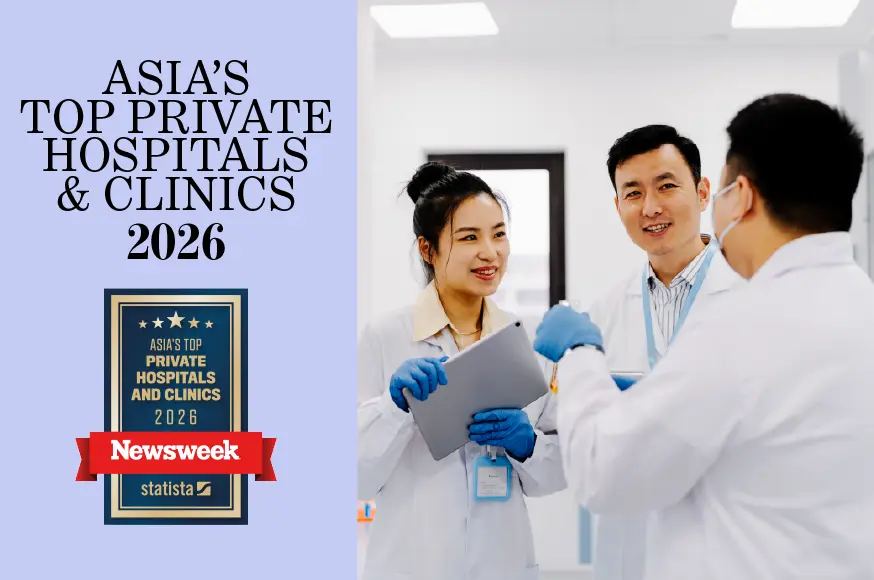
Credit: rankings.newsweek.com
Insights Most People Miss
- Not all top hospitals are centrally located. For example, Sengkang and Ng Teng Fong General Hospital serve growing suburban areas but offer advanced care.
- Medical groups often share specialists. Sometimes, a doctor works at both a public hospital and a private clinic. Knowing this can help you access the same expertise at different price points.
- Telemedicine is expanding rapidly. For non-emergency issues, digital consults can save time and cost, and are now widely accepted by insurers.
- Health screening can uncover silent risks. Many Singaporeans discover diabetes or high cholesterol during routine checks, leading to early treatment and better outcomes.
Frequently Asked Questions
What Is The Difference Between Public And Private Hospitals In Singapore?
Public hospitals are government-funded, offering lower prices and subsidies for citizens and permanent residents. Private hospitals charge higher fees but provide faster service, more comfort, and greater specialist choice. Both sectors maintain high standards of care.
How Do I Choose The Right Specialist Or Hospital?
Start by considering your medical needs, insurance coverage, and location. For complex cases, ask your general practitioner for a referral. Check hospital and specialist credentials, and look for centers with experience in your condition.
Are Singapore Hospitals Safe For International Patients?
Yes. Singapore is known for strict regulations, infection control, and international accreditation. Many hospitals have dedicated international patient centers to help with language, travel, and cultural needs. See the SGH International Patients page for more.
How Much Does Healthcare Cost In Singapore?
Costs vary widely. Public hospital consultation starts around SGD 40–60 for residents, while private hospitals may charge SGD 120 and up. Major surgery or specialist care can run from a few thousand to tens of thousands of SGD, especially in private settings.
Insurance or subsidies can reduce costs.
Can I Use Telemedicine For All Health Issues?
Telemedicine is suitable for non-emergency issues, follow-ups, and chronic disease monitoring. For emergencies, surgery, or complex diagnoses, in-person visits are necessary. Many providers now offer hybrid care, blending digital and face-to-face services.
Singapore’s healthcare system is built on quality, innovation, and patient-centered care. Whether you are seeking routine checkups or advanced treatment, the city offers a range of trusted providers to meet every need. By understanding your options and asking the right questions, you can make confident decisions for your health in 2026 and beyond.