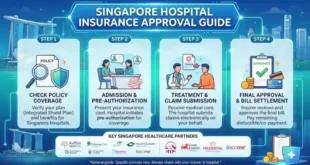
Tech News, Tech Iinfo Blog, Info Tech Blog
Most rejected medical payments occur because of incomplete documentation, pre-existing conditions not disclosed, or treatments deemed not medically necessary, which is why understanding singapore hospital claim denial reasons explained is essential for patients. These denials often happen when the information provided to the insurance provider doesn’t match the specific terms of your medical policy. This guide covers the common administrative and clinical triggers for these denials and how to address them effectively.
Why Singapore Hospital Claims Get Denied
A hospital claim denial happens when an insurance company refuses to pay for a medical service or procedure that you received. It isn’t necessarily a final decision; it’s often a request for more information or a correction of an administrative error. These denials are common in the private sector where policies are strictly tied to specific coverage limits and clinical definitions.
Many people assume a denial means the insurance company is acting in bad faith. In reality, most denials are triggered by automated systems that flag discrepancies between the hospital’s billing codes and your policy’s coverage schedule. If the diagnosis code on your bill doesn’t align with your policy’s specific exclusions, the claim is flagged for review. The most important rule to remember is that the insurer relies entirely on the medical report submitted by your doctor. If that report is missing key details about why a test or treatment was required, the system will automatically reject the claim.
Steps to Address a Denied Claim
If you receive a notice that your hospital claim has been denied, follow these steps to resolve the issue.
- Read the rejection letter: Your insurer will send an Explanation of Benefits (EOB) that lists the specific reason code for the denial.
- Contact the hospital billing office: Ask for a detailed itemized bill to ensure that all codes match the procedures you actually received.
- Review your policy document: Compare the insurer’s reason for denial against your specific coverage plan to see if the treatment falls under a known exclusion.
- Request a clinical review: If the claim was denied for lack of “medical necessity,” ask your doctor to write a letter explaining the clinical reasoning for the treatment.
- Submit a formal appeal: Send the additional medical evidence and the letter of support from your physician to the insurer’s appeals department.
- Check the timeline: Most insurers require you to file an appeal within 30 to 90 days of the denial notice.
The judgement call that determines success is the quality of the supporting medical evidence. If your doctor provides a clear, detailed clinical justification, the chances of a successful appeal increase significantly. If you need help understanding your rights, you can check the consumer guidance from the Monetary Authority of Singapore regarding health insurance standards.
Key Factors in Claim Approval
| Factor | What to check | Why it matters |
|---|---|---|
| Policy Exclusions | Check the “not covered” list | Some plans never pay for elective cosmetic surgery. |
| Pre-existing conditions | Review your initial application | Undisclosed conditions lead to immediate rejection. |
| Referral requirements | Confirm GP or specialist approval | Some plans require a referral for specialist care. |
| Coding errors | Compare bill to medical notes | Typos in billing codes cause system rejections. |
| Benefit limits | Check your annual or lifetime cap | Claims exceeding your limit are automatically denied. |
The most common mistake is assuming a procedure is covered simply because a doctor recommended it. Always verify the specific CPT code against your summary of benefits before the appointment. If your policy uses a “gatekeeper” model, you must obtain a formal referral authorization number before seeing a specialist. Without this, the insurer will deny the claim entirely, leaving you responsible for the full balance.
If you have a high-deductible plan, check if your provider requires a pre-authorization for non-emergency imaging like MRIs. Missing this step often results in a 50% penalty or total denial. When reviewing your bill, compare the service date to your policy’s effective period. If the service occurred during a gap in coverage, even by one day, the claim will fail. Use the “Explanation of Benefits” document to identify the specific denial code; if it cites “medical necessity,” you have 180 days to file a formal appeal with supporting clinical notes.
Professional Standards and Accuracy
Experienced administrators prepare claims by ensuring every diagnosis code is supported by the patient’s medical history. They avoid the mistake of submitting vague descriptions like “general check-up” for specialized tests, which often leads to automatic denials. Instead, they ensure the doctor records the specific symptoms that made the test necessary.
Clinical Documentation
Documentation must be specific and contemporaneous. If a doctor orders a scan, the medical record must show the clinical sign or symptom that prompted that order. Vague notes are the primary cause of clinical necessity denials.
Administrative Verification
Before surgery, experienced patients verify if the hospital is on the insurer’s “panel” list. Using a non-panel hospital can change your co-payment percentage or lead to a total denial of coverage for specific non-emergency procedures.
Common Problems and Quick Fixes
| What you notice | What it means | What to do first |
|---|---|---|
| “Information missing” | Incomplete form | Provide the requested medical records. |
| “Exceeds benefit limit” | Policy cap reached | Check your annual statement. |
| “Not medically necessary” | Vague clinical notes | Ask your doctor for a justification letter. |
| “Not a panel provider” | Out-of-network care | Check if your plan covers non-panel costs. |
Most patients mistake a “Not medically necessary” denial for a final rejection. In reality, this usually means the billing code lacks a supporting diagnosis. If you see this, request a detailed clinical summary from your specialist immediately.
If your claim shows “Exceeds benefit limit,” check the specific date of service. If the procedure occurred on January 1st or 2nd, the system may have erroneously applied the previous year’s exhausted cap. Call your insurer to request a manual review for the new cycle.
Avoid the common error of paying the full balance before a formal appeal. If you pay upfront, you waive your right to a retroactive adjustment. Always wait for the final Explanation of Benefits before sending any money to the provider. If the error is clerical, the provider must resubmit the claim rather than billing you directly.
Legal and Regulatory Thresholds
The insurance industry in Singapore is governed by strict regulations to ensure fair treatment of policyholders. The Life Insurance Association Singapore sets industry standards for health insurance products, including guidelines on how claims should be processed. It’s important to know that these rules vary by policy type; an Integrated Shield Plan, for example, has different requirements than a basic hospital cash plan. If you’re dealing with a complex denial involving high costs, you should contact the Financial Industry Disputes Resolution Centre (FIDReC) if you can’t resolve the matter with your insurer directly. Never attempt to falsify medical records to secure a claim, as this is illegal and will lead to permanent blacklisting by all major insurance providers.
Maintaining Coverage Status
Once your claim is resolved, you must maintain your policy standing to avoid future issues. Keep a digital folder of all your medical receipts, doctor’s notes, and correspondence with your insurer. You should review your annual policy summary to see if your coverage limits have changed due to your age or health status. If you change your job or insurance provider, ensure that you provide full disclosure of your medical history to the new insurer. A gap in coverage or a failure to disclose a new condition can result in future claims being denied for “non-disclosure.” The interval between policy reviews should be at least once a year, or whenever you undergo a significant medical procedure that changes your health profile.
When to Seek Alternative Support
This approach isn’t for everyone, especially when dealing with catastrophic health events or complex legal disputes. If your claim is denied due to a dispute over the interpretation of a legal contract or a large sum of money, you should consult with a professional insurance advisor or a legal representative. They can navigate the complexities of insurance law that a standard patient cannot. Additionally, if the hospital billing department is unresponsive, you may need to escalate the matter to the hospital’s patient relations office rather than handling it solely through your insurance agent. Using these professional channels often speeds up the resolution process for high-value claims.
Why was my claim denied for “medical necessity”?
Your claim was denied because the insurer’s review team determined the treatment wasn’t supported by the clinical notes provided. Ask your physician to submit a detailed report clarifying why the specific procedure was the required standard of care for your condition to trigger a re-evaluation of the claim.
How long do I have to appeal a denial?
You typically have 30 to 90 days to file an appeal, depending on the terms of your specific policy. Check your original policy document or the denial letter for the exact deadline, as missing this window usually results in the loss of your right to challenge the decision.
Can I get a second opinion after a denial?
Yes, you can obtain a second opinion, but it must be from a registered medical practitioner recognized by your insurer. If the second doctor agrees with the initial treatment plan, their report can serve as strong evidence to support your appeal for the previously denied claim.
What happens if I don’t have my medical records?
You can’t successfully appeal a denial without medical records, as they’re the proof of your condition. Contact the hospital’s medical records office to request a summary of your treatment; they’re legally required to provide you with your own records upon your formal request.
Is it safe to provide more medical information to the insurer?
It’s safe and necessary to provide requested medical information to your insurer to process a claim. Ensure you only send the documents directly to the official claims department and keep a log of exactly what you sent and when to protect your privacy and records.
How much can I expect to pay out-of-pocket?
The amount you pay out-of-pocket depends on your plan’s deductible and co-insurance rates. Check your policy’s “Schedule of Benefits” to see your specific cost-sharing obligations; these figures vary wildly between basic plans and premium plans, so always use your own policy document as the source.
Insurance companies process claims based on the specific evidence submitted by your healthcare provider. Always ensure your medical documentation is thorough and that you understand the coverage limits defined in your policy to minimize the risk of future denials. If you believe a denial is incorrect, follow the formal appeal process promptly with the guidance of your physician.