Tech News, Tech Iinfo Blog, Info Tech Blog
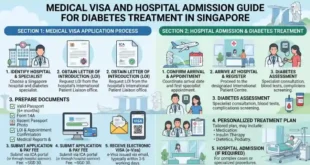
International patient services at singapore’s leading diabetes hospitals provide coordinated care for overseas patients, offering everything from specialized endocrine consultations to advanced metabolic surgery. These centers manage complex cases by combining multidisciplinary medical teams with dedicated support staff who handle visa logistics, language interpretation, and travel arrangements. While standard local care centers focus on primary management, these specialized units act as hubs for patients requiring state-of-the-art diagnostic technology and long-term treatment planning that’s often unavailable in their home countries.
Diabetes Care Centers for International Patients
This table lists the primary facilities in Singapore equipped to manage complex diabetes cases for global patients. Each hospital maintains specific departments to handle the unique needs of those traveling from abroad.
| Hospital Name | Best For | Example Service |
|---|---|---|
| Singapore General Hospital | Complex endocrine disorders | Metabolic surgery programs |
| Mount Elizabeth Hospital | Personalized treatment plans | Comprehensive health screening |
| Gleneagles Hospital | International patient support | Dedicated diabetes clinics |
| Tan Tock Seng Hospital | Long-term complications | Diabetic foot care units |
| Raffles Hospital | Rapid diagnostic testing | One-stop endocrine consultations |
If your condition involves advanced neuropathy or non-healing ulcers, prioritize Tan Tock Seng Hospital for its specialized limb salvage protocols. Patients seeking a concierge experience with streamlined administrative support should select Mount Elizabeth or Gleneagles. These private facilities often assign a dedicated coordinator to manage your medical visa and follow-up appointments.
Most international patients make the mistake of booking general consultations without requesting an endocrinology sub-specialist. This oversight often costs two extra days of travel time for redundant blood work. Always confirm if your travel insurance covers elective endocrine procedures before finalizing your booking.
Singapore General Hospital
Singapore General Hospital serves as a major public facility that handles highly complex endocrine and metabolic conditions for patients worldwide. It suits patients who need access to academic-grade research, clinical trials, and multi-specialty teams working under one roof. The hospital is known for its rigorous standards in managing type 1 and type 2 diabetes, often coordinating with international insurers to ensure smooth billing for foreign visitors.
- Access to specialized metabolic surgery for patients with high body mass index.
- Advanced diagnostic imaging for detecting early nerve or kidney damage.
- Multidisciplinary care teams including dietitians, podiatrists, and ophthalmologists.
- Evidence-based research protocols that influence global treatment standards.
A patient arriving for a metabolic evaluation typically starts with a two-day assessment, where the team performs blood glucose monitoring, HBA1c testing, and a full vascular review to determine the most effective treatment path.
Mount Elizabeth Hospital
Mount Elizabeth Hospital focuses on a private, personalized approach to diabetes management, catering to individuals who prioritize speed and tailored service. It’s ideal for international patients who seek a concierge-style experience alongside their medical treatment, including private rooms and fast-tracked appointments with specialists. The facility is well-regarded for its ability to integrate lifestyle modification programs with traditional pharmacological interventions.
- Customized nutritional counseling based on specific cultural dietary patterns.
- Rapid scheduling for specialist consultations to minimize travel time.
- Luxury recovery environments for patients undergoing surgical procedures.
- Seamless coordination with international medical evacuation and transport services.
If you choose this facility, you can expect a dedicated case manager to handle your medical records, ensuring that your local physician receives a full report upon your return.
Most patients underestimate the importance of the initial intake window. If you’re flying in for a procedure, schedule your arrival at least 48 hours before your first consultation. This buffer accounts for potential flight delays and allows for the necessary metabolic stabilization required for safe surgery.
Choose this hospital if your primary goal is minimizing downtime through high-touch coordination. If your priority is strictly cost-efficiency or research-heavy clinical trials, look elsewhere.
Gleneagles Hospital
Gleneagles Hospital offers a robust infrastructure for international patients requiring consistent, long-term monitoring of their diabetic health. It suits patients who are looking for a blend of clinical expertise and private-sector efficiency, particularly those managing chronic complications such as diabetic neuropathy or retinopathy. The hospital’s Singapore Ministry of Health licensed clinical services provide a high level of transparency regarding treatment outcomes and safety protocols.
- Advanced screening programs for early detection of diabetic complications.
- Integrated support for managing comorbidities like hypertension and high cholesterol.
- Dedicated international offices that assist with accommodation and local transportation.
- Continuous glucose monitoring technologies for precision treatment adjustments.
The hospital requires a formal referral from your primary doctor, and you should provide your medical history at least 14 days before your arrival to ensure the specialists have adequate time to review your case.
Tan Tock Seng Hospital
Tan Tock Seng Hospital is a leading public institution that specializes in managing severe diabetic complications, particularly those involving foot ulcers and peripheral vascular disease. It suits patients who require aggressive, evidence-based interventions for advanced stages of the disease. The hospital operates a specialized center where surgeons, wound care nurses, and vascular specialists collaborate to prevent amputations and restore function for patients with high-risk conditions.
- Specialized limb salvage programs for complex diabetic foot ulcers.
- Comprehensive education sessions for patients and their family caregivers.
- High-volume surgical units equipped for advanced vascular reconstruction.
- Long-term rehabilitation support following major medical procedures.
If your condition is stable, the team focuses on outpatient management, but if you have an active infection, the hospital admits you immediately to the specialized wound care ward for intensive antibiotic therapy and monitoring.
Other Specialized Facilities
Raffles Hospital provides a one-stop endocrine service where patients complete blood tests, eye exams, and foot assessments in a single morning. This efficiency suits busy executives, but it assumes the patient has no underlying cardiovascular complications. If you have a history of heart disease, prioritize centers with integrated cardiology departments instead of this streamlined model.
National University Hospital focuses on complex pediatric and adult diabetes cases. They utilize university-backed research to treat patients who haven’t responded to standard therapies elsewhere. This facility is the correct choice if your condition involves rare genetic markers or insulin resistance that defies conventional protocols.
Parkway East Hospital offers a community-focused environment for those preferring personalized care. It’s an ideal setting for elderly patients who find the scale of large, urban medical centers overwhelming. However, don’t choose this location if you require multidisciplinary surgical intervention, as their specialized equipment is limited compared to the larger university-affiliated hospitals.
Choosing Leading Singapore Hospitals for International Diabetes Services
Your choice should depend on the specific stage of your diabetes and the level of support you require during your stay. If you need urgent intervention for a complication like a diabetic foot ulcer, head to a hospital with a strong vascular department like Tan Tock Seng. If you’re seeking a routine checkup or a second opinion on a treatment plan, private facilities like Mount Elizabeth or Raffles are often more efficient for scheduling.
The cost of treatment varies significantly based on whether you choose a public or private hospital, with private institutions generally charging higher fees for the added convenience of concierge services. You should check the hospital website for their specific international patient fee schedules before booking your travel.
Frequently asked questions
Can I get my diabetes medication while in Singapore?
Yes, you can receive most common diabetes medications in Singapore, provided you have a valid prescription from a local doctor. If you’re visiting from abroad, it’s essential to bring a copy of your current prescription and a letter from your physician explaining your treatment plan to ensure the local pharmacy or hospital can provide the correct dosage and type of medication.
How long does an initial diabetes consultation take?
An initial consultation for international patients typically lasts 60 to 90 minutes, depending on the complexity of your medical history. This time includes a thorough review of your current medications, blood glucose logs, and a physical examination. If you require additional diagnostic tests like blood work or an eye exam, these are usually scheduled for the same day or the following morning.
Is it safe for me to travel with insulin?
Yes, it’s safe to travel with insulin provided you carry it in your hand luggage and keep it at the correct temperature. You should always carry a medical certificate from your doctor stating that you need insulin for diabetes, which helps during airport security checks and customs. Always pack extra supplies in case your travel plans are delayed for more than 48 hours.
How do I pay for medical services?
You can pay for medical services using major international credit cards, bank transfers, or through direct billing if your insurance company has an agreement with the hospital. You should contact the hospital’s international patient office at least 14 days before your arrival to confirm the payment methods they accept and to verify if your specific insurance provider is covered.
Do I need a visa to visit a hospital in Singapore?
Whether you need a visa depends on your nationality and the length of your stay in the country. You should check the official Immigration and Checkpoints Authority website to determine your specific requirements before booking your flight. If you’re coming for a long-term medical procedure, the hospital can often provide a support letter to assist with your medical visa application.
What happens if my condition changes suddenly?
If your blood glucose levels become unstable or you experience a medical emergency, you should go to the nearest hospital’s emergency department immediately. Singapore’s hospitals are equipped to handle acute diabetic emergencies around the clock. If you’re already a patient at a specific hospital, inform your case manager or doctor as soon as you’re stable so they can coordinate your ongoing care.
Does it matter which hospital I choose?
Yes, the choice matters because each hospital specializes in different aspects of diabetes care, ranging from surgical interventions to lifestyle management. You should choose a hospital based on your specific needs—such as whether you require advanced wound care or a simple health screening—rather than just the hospital’s general reputation. Reviewing the hospital’s dedicated diabetes services on their official website will help you align your needs with their clinical strengths.
Conclusion
Contact your chosen hospital’s international patient center first to share your medical records and confirm they have an opening for your specific condition. You should expect to receive a detailed treatment plan and a cost estimate within three to five business days of submitting your documents. If you experience sudden, severe vision loss or a non-healing foot wound, stop your planning and seek emergency medical help at the nearest facility immediately.