Tech News, Tech Iinfo Blog, Info Tech Blog
Singapore’s healthcare system is consistently ranked among the most efficient in the world, yet the financial support structures behind it remain a mystery to many residents. If you have ever stared at a hospital bill and wondered why the final amount differed from the listed price, or if you’re trying to choose a ward class for an upcoming procedure, understanding how Singapore healthcare subsidies work is the key to managing your out-of-pocket costs. The system relies on a mix of government grants, mandatory savings, and insurance to keep care affordable. Depending on your citizenship status, income, and the type of ward you choose, the government can cover anywhere from 50% to 80% of your bill, leaving you to pay the rest via Medisave or cash.
Key Takeaways
- Subsidies are tiered by citizenship: Permanent Residents (PRs) receive roughly half the subsidy of citizens, while foreigners receive none.
- Means-testing determines your rate: Your subsidy level depends on your household income per person, not just your personal salary.
- Ward class matters most: Choosing a C or B2 ward unlocks the highest subsidies, while A and B1 wards are private rates.
- MediSave covers the gap: You can use your mandatory medical savings account to pay for the remaining bill, including deductibles.
- CHAS is for outpatient care: The Community Health Assist Scheme provides subsidies at GP and dental clinics, separate from hospital subsidies.
The Three Pillars of Funding
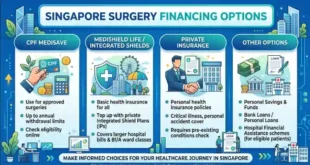
To understand subsidies, you must first understand the funding ecosystem. The Singapore healthcare model is built on three distinct pillars that work together to pay for a bill. The first is government subsidies, which are applied directly to your bill at the point of service to reduce the total cost.
The second is MediSave, a mandatory savings account that you use to pay your share of the bill. The third is MediShield Life, a basic health insurance plan that covers large hospital bills and specific expensive outpatient treatments.
Subsidies don’t cover the entire bill. They reduce the billable amount. Once the subsidy is applied, you pay the remainder using a combination of MediSave, MediShield Life, and cash. This structure prevents the “moral hazard” of free healthcare while ensuring that no citizen is denied care due to inability to pay.
Singapore Healthcare Subsidies by Citizenship Status
Your eligibility for subsidies is primarily determined by your residency status. The government prioritizes citizens, followed by Permanent Residents, and finally foreigners.
- Singapore Citizens: Eligible for the highest tier of subsidies. This includes acute hospital care, specialist outpatient clinics (SOC), and community health assistance.
- Permanent Residents (PRs): Eligible for subsidies, but generally at about half the rate of citizens. For example, if a citizen gets 80% off a ward, a PR typically gets 40% to 50%.
- Foreigners: Generally receive no government subsidies. They pay private rates for all healthcare services, though some may have insurance coverage through their employers.
Means-Testing and Income Assessment
Even among citizens, the subsidy rate isn’t flat. The Ministry of Health (MOH) uses a means-testing framework to ensure that those with less income receive more help. This is calculated based on your household income per person, which is derived from the income of all working members in your household divided by the number of people in the household.
The Income Tiers
For hospital care, the subsidy structure typically looks like this (based on per capita monthly household income):
- $0 to $1,200: Highest subsidy tier (e.g., up to 80% for C class wards).
- $1,201 to $2,000: Second tier (e.g., up to 70% for C class wards).
- $2,001 to $2,800: Third tier (e.g., up to 60% for C class wards).
- Above $2,800: Lowest tier (e.g., up to 50% for C class wards).
For those with no income, the subsidy is usually maximized. It’s important to note that the means-testing for Pioneer Generation and Merdeka Generation seniors is different; they receive additional benefits regardless of income, such as higher subsidies and additional MediSave top-ups.
Inpatient Care: Ward Class and Subsidies
The single biggest factor in your hospital bill is the ward class you choose. Public hospitals in Singapore offer four main classes: A, B1, B2, and C. The lower the class, the higher the subsidy.
| Ward Class | Air-Conditioning | Bathroom | Subsidy Level (Citizen) | Who Pays? |
|---|---|---|---|---|
| A | Yes | Attached | 0% | Private rates (cash/insurance) |
| B1 | Yes | Attached | 0% | Private rates (cash/insurance) |
| B2 | No | Shared | Up to 50-70% | Subsidized + MediSave |
| C | No | Shared | Up to 65-80% | Subsidized + MediSave |
Pro Tip: If you’re admitted to a B2 or C ward but want to upgrade to A or B1 later, you can usually do so, but you’ll lose the subsidy for the entire stay, and the final bill will be recalculated at private rates.
How the Bill is Calculated
When you receive a bill for a B2 or C ward, the hospital applies the subsidy to the gross bill. The gross bill includes daily ward charges, doctor’s fees, medication, and procedures. The subsidy reduces this amount. The remaining amount is your “net bill.” You can then use MediSave to pay for the net bill, subject to withdrawal limits.
Outpatient and Specialist Care
Subsidies don’t stop at the hospital door. They also apply to Specialist Outpatient Clinics (SOCs) at public hospitals and polyclinics.
- Polyclinics: Offer the highest subsidies for primary care. Citizens pay a flat subsidized rate for consultation and medication, often significantly lower than private GP rates.
- Specialist Outpatient Clinics (SOC): If you’re referred by a polyclinic or a CHAS GP, you receive subsidized rates. If you self-refer (walk in without a referral), you’re charged private rates. Subsidies here range from 50% to 70% for citizens, depending on income.
The Community Health Assist Scheme (CHAS)
For primary care at private GP and dental clinics, the Community Health Assist Scheme (CHAS) is the primary subsidy vehicle. CHAS isn’t automatic; you must apply for it.
CHAS Tiers
- CHAS Blue: For lower-income households (per capita income ≤ $1,200). Highest subsidies for common illnesses and chronic conditions.
- CHAS Orange: For middle-income households (per capita income $1,201–$2,000). Moderate subsidies.
- CHAS Green: For higher-income households (per capita income > $2,000). Subsidies for chronic conditions and selected dental services only.
- CHAS Merdeka/Pioneer: For eligible seniors, providing the highest tier of benefits.
CHAS cards are issued to the applicant and their dependents. You must present the card at a participating clinic to receive the subsidy. You can check your CHAS eligibility and balance via the CHAS website or the SingPass app.
MediSave and MediShield Life
Subsidies reduce the bill, but you still need to pay the remainder. This is where the “Three Ms” come in.
- MediSave: A mandatory savings account. You can use it to pay for your share of subsidized bills, including hospital deductibles and co-insurance. There are withdrawal limits for different treatments (e.g., daily ward charges).
- MediShield Life: A basic health insurance plan that covers large hospital bills and certain outpatient treatments. It has a deductible (an amount you must pay before insurance kicks in) and co-insurance (a percentage of the bill you pay after the deductible). MediShield Life is designed to cover the remaining large bills after subsidies and MediSave.
- ElderShield/CareShield Life: Provides payouts for long-term care needs, such as severe disability.
Warning: Don’t confuse subsidies with insurance. A subsidy is a discount on the bill. Insurance is a payout to cover the cost. You need both to manage costs effectively.
The Role of MediFund
For those who fall through the cracks, there is MediFund. This is a safety net endowment fund set up by the government. It provides financial assistance to needy Singaporeans who are unable to pay their medical bills despite subsidies, MediSave, and MediShield Life. MediFund is administered by the hospitals, which assess patients on a case-by-case basis. It’s a last resort, but it ensures that no citizen is denied necessary care due to financial hardship.
Subsidies for Long-Term Care
As the population ages, long-term care (LTC) subsidies have become more important. The government provides subsidies for home care, day care, and nursing homes.
- Home Care: Subsidies for home nursing, personal care, and meals.
- Day Care: Subsidies for center-based care.
- Nursing Homes: Subsidies for residential care, means-tested by income.
These subsidies are separate from acute hospital subsidies and are administered by the Agency for Integrated Care (AIC). The AIC also provides grants for caregivers.
How to Apply for Subsidies
You don’t usually need to apply for hospital subsidies. They’re automatically applied when you’re admitted to a subsidized ward and your income is means-tested. However, for CHAS and LTC subsidies, you must apply.
- CHAS: Apply online via the CHAS website or at any Community Centre.
- LTC: Apply through the AIC website or a hospital medical social worker.
- MediFund: Speak to a hospital medical social worker.
Frequently Asked Questions
How much is the subsidy for a C class ward?
For Singapore Citizens, the subsidy for a C class ward typically ranges from 65% to 80% of the bill, depending on your per capita household income. For Permanent Residents, it’s usually around 40% to 50%. The exact amount is calculated after means-testing.
Can I use MediSave to pay for a private hospital bill?
Yes, you can use MediSave at private hospitals, but the withdrawal limits are the same as for public hospitals. This means you’ll likely have to pay a large portion in cash. Subsidies don’t apply to private hospitals.
What is the difference between CHAS Blue and CHAS Orange?
CHAS Blue is for lower-income households and offers the highest subsidies for common illnesses, chronic conditions, and dental care. CHAS Orange is for middle-income households and offers moderate subsidies. Both cover chronic conditions, but Blue covers more.
Do I need to apply for hospital subsidies?
No. Hospital subsidies are automatically applied when you’re admitted to a subsidized ward (B2 or C) and your income is means-tested. You only need to provide income documents if requested by the hospital.
Are Permanent Residents eligible for CHAS?
Yes, Permanent Residents are eligible for CHAS, but the subsidy amounts are generally lower than for citizens. The eligibility criteria are based on income and age, similar to citizens.
What happens if I can’t pay my bill after subsidies?
If you’re unable to pay your bill after subsidies, MediSave, and MediShield Life, you can apply for MediFund. This is a safety net for needy Singaporeans. You should speak to a medical social worker at the hospital.
Closing the Gap
Navigating the Singapore healthcare system requires understanding the interplay between subsidies, ward class, and your personal savings. The next time you or a family member faces a medical procedure, check your CHAS eligibility and verify your ward class options before admission. A quick conversation with a hospital medical social worker can clarify your specific subsidy tier and help you plan your finances with confidence.